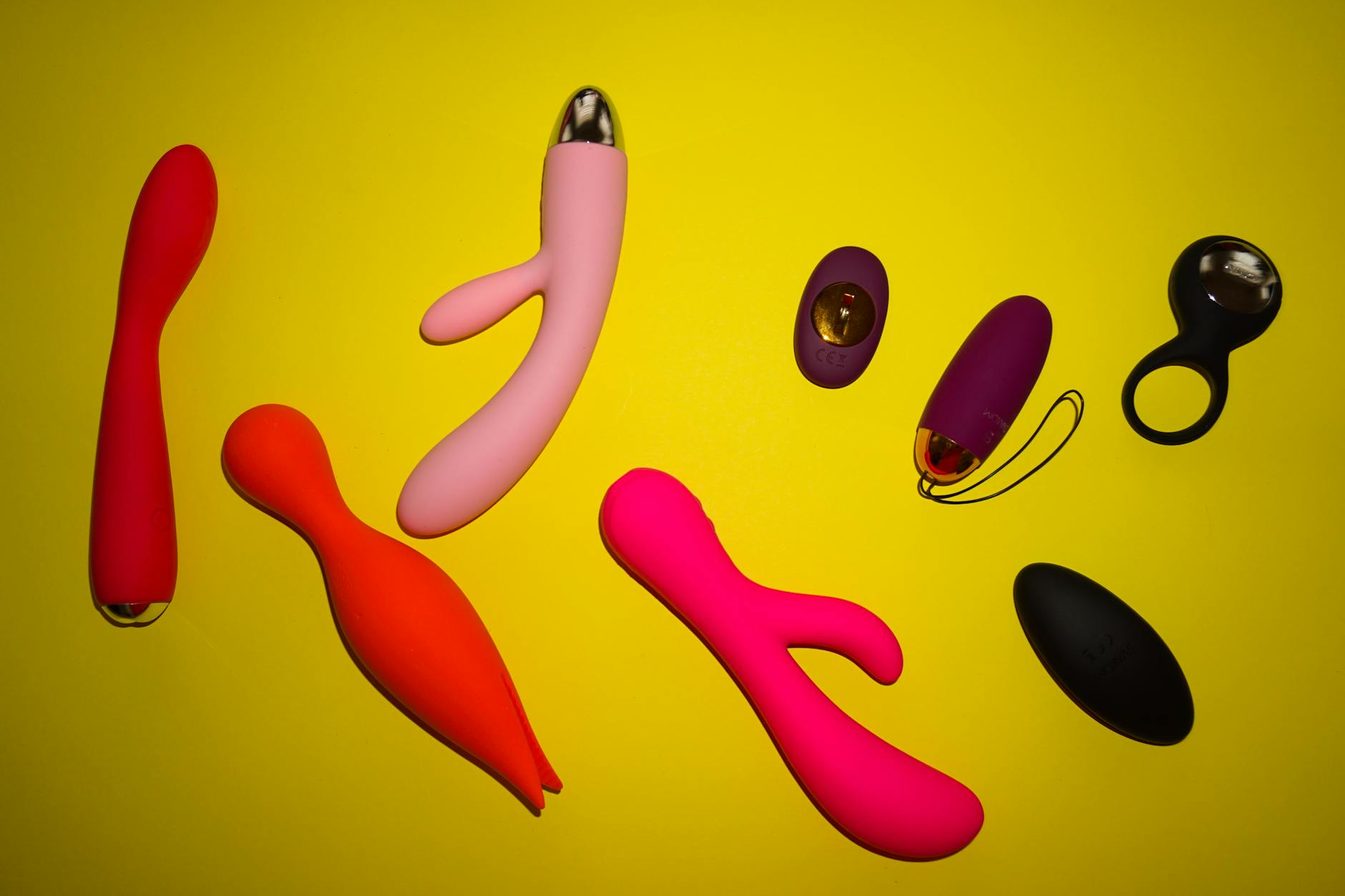
Let's talk about why vibrators scare people
Most couples don't bring a vibrator into the bedroom because of the vibrator itself. They bring it because something's missing. Maybe sensation has plateaued. Maybe one partner's needs have shifted. Maybe they just want to try something new together. But here's the friction (pun intended): traditional vibrators often feel clinical, intimidating, or like admitting defeat. They buzz loudly. They demand real estate on the bed. They feel impersonal in ways that make some partners uncomfortable.
That's where lemon vibrators change everything.
What makes lemon vibrators different from traditional vibrators
A traditional vibrator vibrates. It's a motor moving back and forth really fast. A lemon clitoral vibrator uses suction and gentle pulsation instead. The technology is completely different, and that difference ripples through every part of the experience.
Here's the mechanical bit made simple. Suction creates a gentle seal and releases in pulses. It stimulates the entire clitoral complex, not just the external tip. There's no buzzing, no numbing friction, and no sense that you're using a power tool on your most sensitive area. The sensation is more like a mouth than a motor. And for couples? That matters psychologically and physically.

Photo by Diana ✨ on Pexels
Why couples feel less weird about lemon vibrators
I work with couples all the time where one partner wants to bring a toy in and the other partner feels threatened or inadequate. The fear is always the same: "Does this mean I'm not enough?" Traditional vibrators can amplify that feeling because they're so obviously mechanical and powerful.
Lemon vibrators feel different because they mimic something a partner could theoretically do. The sensation is intimate rather than industrial. When you introduce a lemon vibrator together, it feels like an addition to what you're already doing, not a replacement. Partners feel less sidelined. The person receiving pleasure doesn't feel like they're using a device so much as being pleased in a new way.
The other piece is noise. A buzzing vibrator at full speed announces itself. It kills the mood, creates self-consciousness, and makes it hard to hear your partner. Lemon vibrators are nearly silent. That quiet changes the entire emotional tenor of the experience.
The conversation piece
Here's something I tell couples in therapy: introducing a toy is not the real conversation. The real conversation is about desire, about what's working and what isn't, about permission and fantasy. The toy is just the vehicle.
Lemon vibrators actually make that conversation easier because they're less intimidating to bring up. They don't carry the same "am I broken" or "are you not satisfied" baggage that a traditional vibrator can. People find it easier to say "I want to try a lemon vibrator" than "I need a vibrator because sex isn't good enough anymore."
They also make the physical conversation easier. Because they work differently, you can experiment together. One partner can hold it. You can try different patterns. You can adjust intensity in real time. It becomes collaborative rather than prescriptive.
Sensation differences that matter for couples
Traditional vibrators create a numbing effect over time because of the friction and speed. After ten or fifteen minutes, sensation diminishes. Many people need to increase intensity just to feel something, which accelerates fatigue.
Lemon clitoral vibrators don't work that way. The suction mechanism creates a different kind of stimulation that resists numbness. Sensitivity stays consistent. You can actually have longer, more sustained sessions without needing to crank up intensity. For couples, this is huge because it means less endurance anxiety and more time to stay present together.
The pulsation patterns on lemon vibrators are also gentler and more varied. You can find rhythms that match conversation, movement, or your partner's touch. It integrates into sex rather than interrupting it.
Why the lem vibrator design matters for couples
The lemon vibrators from Hello Nancy, particularly the Lem, are designed to be held by either partner. They're small enough to fit between bodies. They're intuitive enough that your partner can figure out the controls without asking. The design philosophy is explicitly collaborative.
Compare that to a traditional vibrator shaped like a bullet or a wand. Someone has to hold it. Positioning becomes awkward. Communication breaks down into logistics. A lemon vibrator eliminates those friction points.
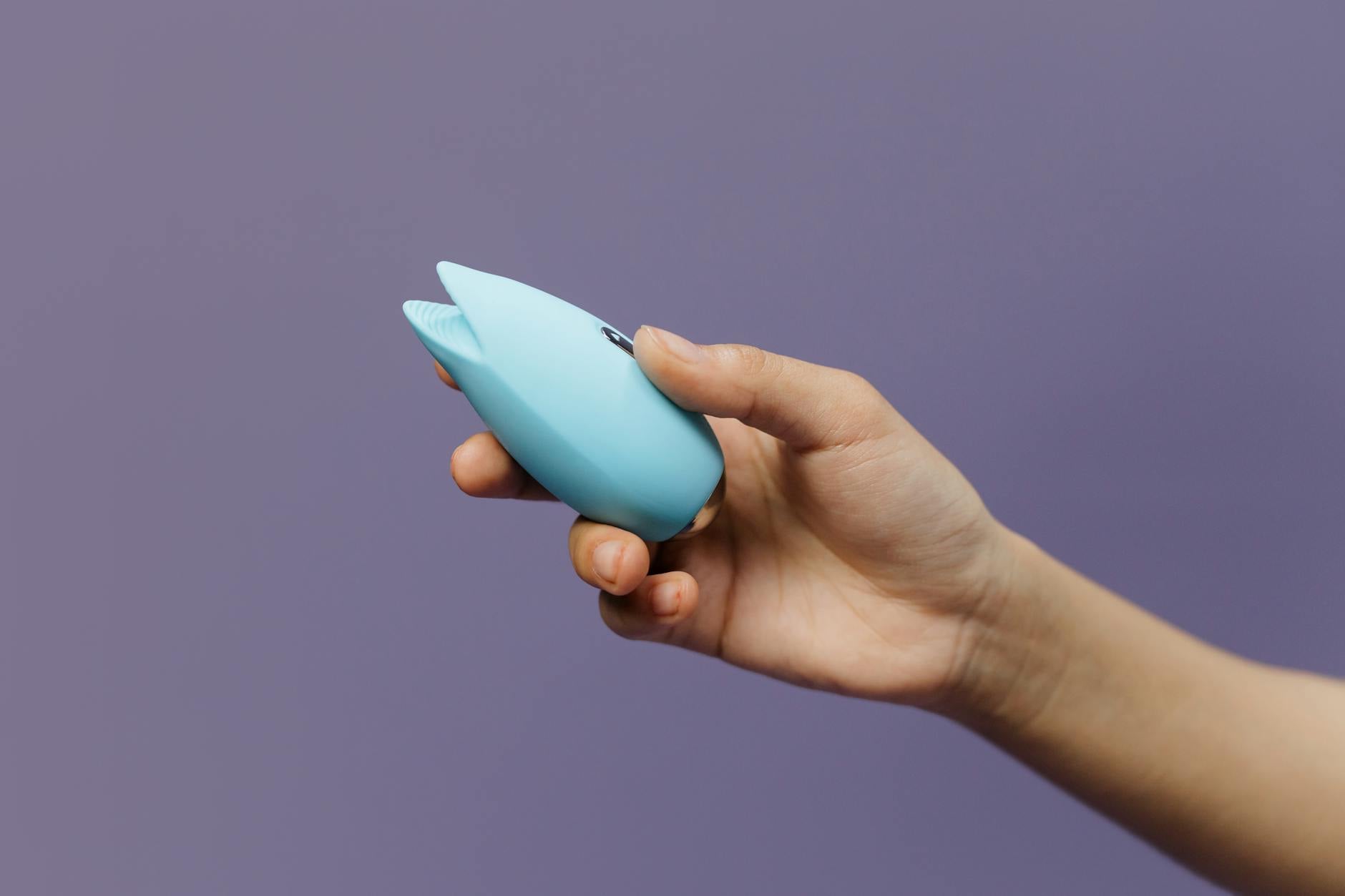
Photo by cottonbro studio on Pexels
How to introduce a lemon vibrator without the awkwardness
If you're thinking about bringing a lemon vibrator into your partnership, here are the moves that actually work.
First, separate the toy conversation from the desire conversation. Don't frame it as "our sex is boring" or "I'm not satisfied." Frame it as "I want to try something new with you." That's different.
Second, own your own curiosity. Don't make it about your partner's performance. "I've been curious about how lemon vibrators work" is cleaner than "I think I need one."
Third, make it easy to say no. If your partner isn't interested, that's information, not rejection. Sometimes people need time. Sometimes they need to understand why you want to try it. Sometimes they just aren't into toys, and that's valid.
Fourth, if they're in, let them be the one to hold it first. Control is confidence. If they get to direct the sensation and the experience, they'll feel less like a spectator and more like a participant.
Fifth, go low and slow on intensity and speed. Start at the gentlest setting. The goal is exploration, not racing to orgasm. Some of the best experiences happen when you're relaxed enough to just play.
The science of why suction-based toys change couple dynamics
There's actually research showing that suction-based clitoral vibrators reduce performance anxiety because they create a more rhythmic, predictable sensation. The brain can anticipate the pulsation. There's less of the constant-input stimulation that traditional vibrators create.
For couples, this matters because less intense sensation means less pressure. Both partners can breathe. You can focus on each other instead of on whether you're "doing it right."
Traditional vibrators, by contrast, can create a feedback loop where someone focuses so hard on reaching orgasm that they tense up and make it harder. The suction mechanism on a lemon vibrator naturally creates more relaxation because it mimics something slower and more sensual.
When lemon vibrators aren't the answer
I want to be honest: lemon vibrators aren't universally better. Some people love traditional vibrators. Some people prefer internal toys. Some couples have zero interest in toys at all.
What matters is that you're choosing the toy that fits your specific situation. For couples who are nervous about bringing toys in, who feel disconnected, or who want something that feels intimate rather than clinical, lemon vibrators consistently win. For couples where one partner is sensitive to sensation or has a history of discomfort, lemon vibrators often feel less triggering because there's no vibration burn and no friction.
For couples in long-distance relationships or early-stage relationships where you're still building trust, the ease and lack of intimidation factor also matters. You can explore without high stakes.
The real payoff
Honestly? The payoff of introducing a lemon vibrator isn't the orgasm. It's the conversation. It's finding out that your partner was curious too. It's laughing together while figuring out which button does what. It's rebuilding a part of your relationship where you stopped taking risks together.
That intimacy, that willingness to be weird together and try something new without judgment—that's what actually changes things. The toy is just the medium.
FAQ: Lemon vibrators for couples
Will using a lemon vibrator make my partner feel inadequate?
Not if you frame it right. The difference between "I need this because you're not enough" and "I want to explore this with you" is everything. When you introduce a lemon vibrator as something you're curious about together, it becomes collaborative. Your partner isn't being replaced—they're being invited into a new kind of experience. If your partner is genuinely struggling with inadequacy, that's worth a separate conversation about desire and connection. The toy isn't the problem; communication about what you both want is the solution.
Can a partner use a lemon vibrator on me, or is it just a solo thing?
Partners can absolutely use it on you. That's actually one of the biggest advantages for couples. The design of lemon vibrators, especially the Lem, makes them easy to hand off. Your partner can control intensity and pulsation in real time, which makes it feel less like you're using a toy and more like they're pleasuring you in a new way. Many couples find this shifts the dynamic completely because it puts your partner in an active role rather than a passive one.
Do lemon vibrators work for people with vulvodynia or pelvic pain?
Often yes, but not always. Because lemon vibrators use suction instead of intense vibration, they're gentler on sensitive tissue. But everyone's pain is different. If you have vulvodynia or pelvic pain, talk to your doctor or pelvic floor physical therapist before using any toy. When it's safe for you to use toys, lemon vibrators are often the first recommendation because of the low-friction mechanism. Read more about this in our guide on how to choose a lemon vibrator if you have vulvodynia or pelvic pain.
What if my partner thinks I'm trying to replace them?
This is the most common fear, and it's worth taking seriously. But here's the thing: if your partner feels replaceable, that's not about the toy. That's about the underlying security in your relationship. A toy is just a tool. What matters is whether you're showing up emotionally and physically for your partner the rest of the time. If you're present, engaged, and curious about their pleasure, a lemon vibrator is just an extension of that. If you're distant and checked out, a vibrator will highlight that problem but won't create it.
Are lemon vibrators quieter than traditional vibrators?
Yes, significantly. Traditional vibrators often buzz loudly at full intensity. Lemon vibrators are nearly silent because they use suction pulses instead of a motor. This matters more than you'd think for couples because noise can kill mood and create self-consciousness. If you're in a situation where noise matters—roommates, thin walls, kids sleeping nearby—a lemon vibrator is a game-changer. You can also use it without broadcasting what you're doing.
Can I use a lemon vibrator during penetrative sex?
Yes, many couples do. The compact size and quiet operation make it easier to integrate into penetration than a traditional vibrator. Learn more about this in our post on using lemon vibrators during penetrative sex. That said, every couple's comfort level is different. Some people find it enhances penetration; others find it distracting. Experiment and see what works for you.
The bottom line
Lemon vibrators aren't revolutionary because they're a new technology. They're revolutionary for couples because they lower the barrier to trying something new together. They feel less clinical, less intimidating, and more intimate than traditional vibrators. They work better physiologically for many bodies. And most importantly, they open conversations instead of closing them.
If you've been curious about bringing a toy into your partnership but felt nervous, a lemon vibrator might be exactly the entry point you need. Start with a conversation. Stay curious. And remember: the goal isn't perfection. It's connection.