Let's name the actual problem
Vulvodynia and pelvic pain don't just hurt. They steal permission. Your nervous system has learned that touch equals pain, and so your body says no before your mind even gets a chance to want. A traditional vibrator with direct contact feels like the opposite of pleasure because it mimics the very stimulation that triggers that pain response.
Here's the thing: you don't have to choose between managing pain and having pleasure. They're not actually opposite. A lemon clitoral vibrator works in a fundamentally different way than a traditional vibrator, which matters more when you're dealing with vulvodynia or pelvic pain than almost any other circumstance.
What makes lemon vibrators different for pain-sensitive bodies
Most vibrators work through direct friction or vibration against tissue. That's efficient for most bodies. For people with vulvodynia, direct contact is often the problem. Your clitoris might be hypersensitive. The skin around it might be reactive. Penetration or pressure might trigger referred pain down your pelvic floor.
Lemon clitoral vibrators use suction instead of friction. The device creates a gentle seal around the clitoris and uses subtle pulsing air stimulation. There's no grinding, no sustained pressure, no contact that depends on friction. For bodies with vulvodynia, this is often the difference between pain and pleasure.
Why? The stimulation reaches nerve endings through a different pathway. It's less mechanically invasive, and the sensation feels different enough that many people find their nervous system doesn't pattern-match it to past pain.
The neuroscience part (why this matters)
Vulvodynia and pelvic pain often involve central sensitization. Your nervous system has learned to interpret certain kinds of touch as a threat, even when there's no active tissue damage. This is real neurology, not in your head, and it's why sometimes a smaller, less intense device can feel better than a powerful traditional vibrator.
Suction stimulation activates different mechanoreceptors than friction does. You're essentially bypassing the pain-coded pathways and creating new, pleasure-coded ones. This is why many people with vulvodynia report that their first successful orgasm in years came from a lemon sucker vibrator, even though they'd tried traditional vibrators and had given up.
It's not that suction feels weaker. It's that it feels different in a way your body isn't expecting to hurt.
How to actually choose the right lemon vibrator if you have vulvodynia
Start with intensity control. You need a device where you can begin at the gentlest setting and build slowly. The Lemon comes with five intensity levels, which is crucial. You're not looking for power. You're looking for gradual, controllable stimulation.
Check the seal. The quality of the seal around your clitoris determines how the sensation feels. A device that's too small won't create a proper seal. Too large might feel uncomfortable. Most lemon vibrators come in one size, which works for most bodies, but pay attention to comfort from the first moment.
Material matters. You want something smooth and body-safe. Silicone is standard, but make sure it's medical-grade and free of phthalates. Your already-reactive tissue deserves that care.
Waterproof is non-negotiable. If you want to use your device in the bath or shower, waterproofing lets you relax into warm water while exploring. Tension makes pain worse. Warmth helps. Combine them.
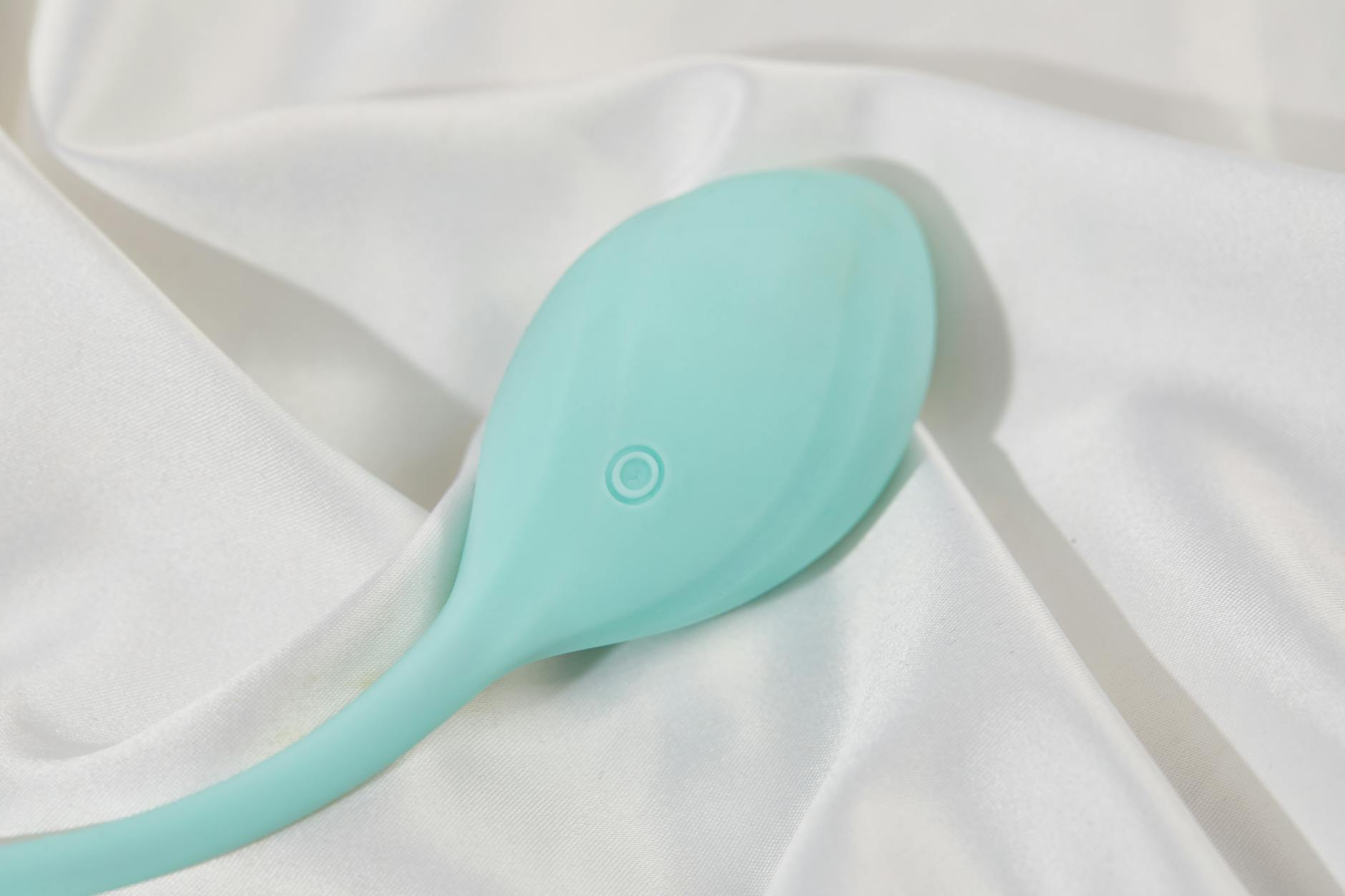
Photo by IFONNX Toys on Pexels
Preparing your nervous system (the part everyone skips)
It's not just about the device. Your nervous system has learned pain. Pleasure comes back through small, repeated experiences of safety. This is therapeutic work, not just technical work.
Before you even use your lemon vibrator, spend a week or two exploring touch without a device. Warm baths. Gentle self-massage. Noticing what feels okay. This isn't foreplay. It's recalibration. You're teaching your nervous system that touch can be safe.
When you do introduce your device, start with the lowest setting, the shortest duration, and zero pressure on yourself to feel anything. Five minutes is enough. Stop before you feel frustrated. Consistency over intensity.
Many people need four to eight weeks of gentle, interrupted exploration before pleasure becomes accessible again. This is normal. This is healing. Do not rush it.
When to add a partner into this
If you have a partner, they need to understand that this is your process, not theirs. They're not there to "fix" you. They're there to be present and patient. A partner saying "take your time, there's no rush" does more for pleasure than anything mechanical.
You can explore with a partner present without involving them physically. You might share what you're noticing. You might just have them in the room. You might need to do this alone first. All of these are fine.
If you're ready to involve your partner more directly, read about how to introduce a lemon vibrator to your partner and work through communication strategies before you start. Vulvodynia is a couple's issue, not just your issue.
The role of professional support
If you're navigating vulvodynia, you probably already know that a gynecologist trained in pain management is essential. You might also benefit from a pelvic floor physical therapist, who can help address nervous system patterns and muscle tension. Some therapists specialize in sex therapy for pain conditions, which is different from regular sex therapy.
Your lemon vibrator is a tool in a broader toolkit, not a replacement for professional care. The best outcomes come when you're working with a provider who understands both the pain and the goal of reclaiming pleasure.
Why lemon vibrators specifically help with pain recovery
Because vulvodynia and pelvic pain reshape your expectations, you need a device that works with your nervous system, not against it. A lemon clitoral vibrator's suction-based design means you're not relying on the kind of direct stimulation that triggers pain patterns. You're also not using intense vibration, which can overwhelm already-sensitized nerve endings.
The result: many people who thought pleasure was permanently off the table find their way back to it through a lemon vibrator when nothing else worked. This matters. Your pleasure matters, and it's not selfish to want to reclaim it.
FAQ: Lemon vibrators and pelvic pain
Can I use a lemon vibrator if I have vulvodynia and haven't had penetrative sex in years?
Yes, and you don't have to start with penetration now. A lemon clitoral vibrator focuses entirely on external stimulation. There's no penetration involved. You're exploring clitoral pleasure only, which many people find is the best starting point when you've been avoiding touch for a long time.
Will a lemon vibrator feel intense if my vulva is hypersensitive?
Not necessarily. You control the intensity completely. Start at level one, which many users describe as gentle and almost meditative. You can stay there for as long as you need. The nervous system changes slowly, and rushing doesn't help. Some people spend weeks on level one and find that's enough.
What if suction stimulation hurts, too?
If suction feels painful, stop and don't push through. Pain is information. It might mean you need more time to desensitize, a longer warm-up, or different prep work with your pelvic floor therapist. It might also mean your nervous system needs to build trust at an even slower pace. This is why starting at the lowest setting for the shortest time is so important.
Can I use lube with a lemon vibrator if I have vulvodynia?
Absolutely. A water-based lube can help the device feel more comfortable and reduce any minor irritation. Use a little inside the cup before you start. This is especially helpful if your vulvodynia involves dryness or tissue fragility.
Should I use my lemon vibrator every day if I'm trying to overcome vulvodynia?
Not necessarily. Every other day is often better because your nervous system needs time to integrate new experiences. If using it daily feels good and doesn't trigger flares, that's fine. If you notice increased pain the next day, dial back frequency. Listen to your body.
Will reclaiming pleasure through a lemon vibrator help my relationship?
Often, yes. When you reconnect with pleasure, you usually reconnect with yourself first, which shifts everything else. Confidence builds. Communication improves. You stop carrying shame about your body. That foundation changes the dynamic with a partner. But pleasure is for you, first. The relationship benefits follow.
Vulvodynia and pelvic pain are real, and they're also not permanent. Pleasure is not lost. It's just paused while your nervous system recalibrates. A lemon clitoral vibrator can be the tool that helps you move from pause back to play. Start small, be patient with yourself, and know that this healing is possible.