
Let's be real about burnout and desire
Burnout doesn't just make you tired. It rewires your brain's reward system, flattens your dopamine response, and tells your nervous system that safety and rest are impossible. When your body is stuck in survival mode, sexuality is the first thing to go. Not because you've stopped caring about pleasure. Because your nervous system has decided pleasure is a luxury it can't afford.
The irony: this is exactly when pleasure becomes medicine.
How chronic stress actually kills arousal
Here's the neurobiology. Sustained stress keeps cortisol elevated, which suppresses testosterone production. Testosterone drives desire in all bodies. When it's low, arousal feels distant, almost theoretical. Your brain knows you like sex. Your body just can't access the feeling.
At the same time, stress tightens your pelvic floor. You're clenching everywhere. When your pelvic muscles are locked in tension, the neural pathways that usually fire during arousal get blocked. Sensation becomes muted. You might touch yourself and feel almost nothing, which is crushing.
Additionally, chronic stress depletes your prefrontal cortex. That's the part of your brain that handles decision-making, future planning, and emotional regulation. Without it, you can't relax enough to let arousal build. You're too busy scanning for threats.
The result: you feel broken. You're not. You're stressed.
Why lemon vibrators work differently for burnout libido
There are three specific reasons lemon sexual toys help when stress has drained your desire.
First, they bypass the willpower problem. When you're burned out, initiating sex (or even self-pleasure) feels like another task. Another thing you should want but don't. A lemon clitoral vibrator removes that. You don't need desire to start. You need five minutes and a device that works faster than manual stimulation ever will. The vibrations activate sensation before your brain catches up.
Second, suction-based stimulation targets pleasure differently. The Lem uses gentle suction rather than traditional vibration, which means it works at the nervous system level rather than requiring you to be already somewhat aroused. For burned-out bodies stuck in sympathetic mode, this matters. Suction triggers a different sensory pathway. Many people find it reactivates pleasure when nothing else reaches them.
Third, regular use resets your dopamine baseline. Burnout flattens dopamine. Your brain stops recognizing pleasure signals properly. Using a lemon vibrator regularly, even in small doses, teaches your nervous system that pleasure is available and safe. Over time, this rewires your reward response.
Getting started when arousal feels impossible
If desire is almost completely gone, here's the honest approach.
Don't start with the goal of orgasm. Start with the goal of sensation. Pick a time when you have 15 uninterrupted minutes and you're not already depleted. Not late at night when you're watching TV. Earlier, when you have a tiny bit of mental space.
Start on the lowest setting. The Lem has six intensity levels. Stay on one, two, or three. Your nervous system is already overwhelmed. You don't need a strong sensation. You need proof that pleasure exists.
Do this three times a week, minimum. Consistency matters more than duration. You're teaching your body that pleasure is reliable and recurring, which helps counteract the chaos of burnout.
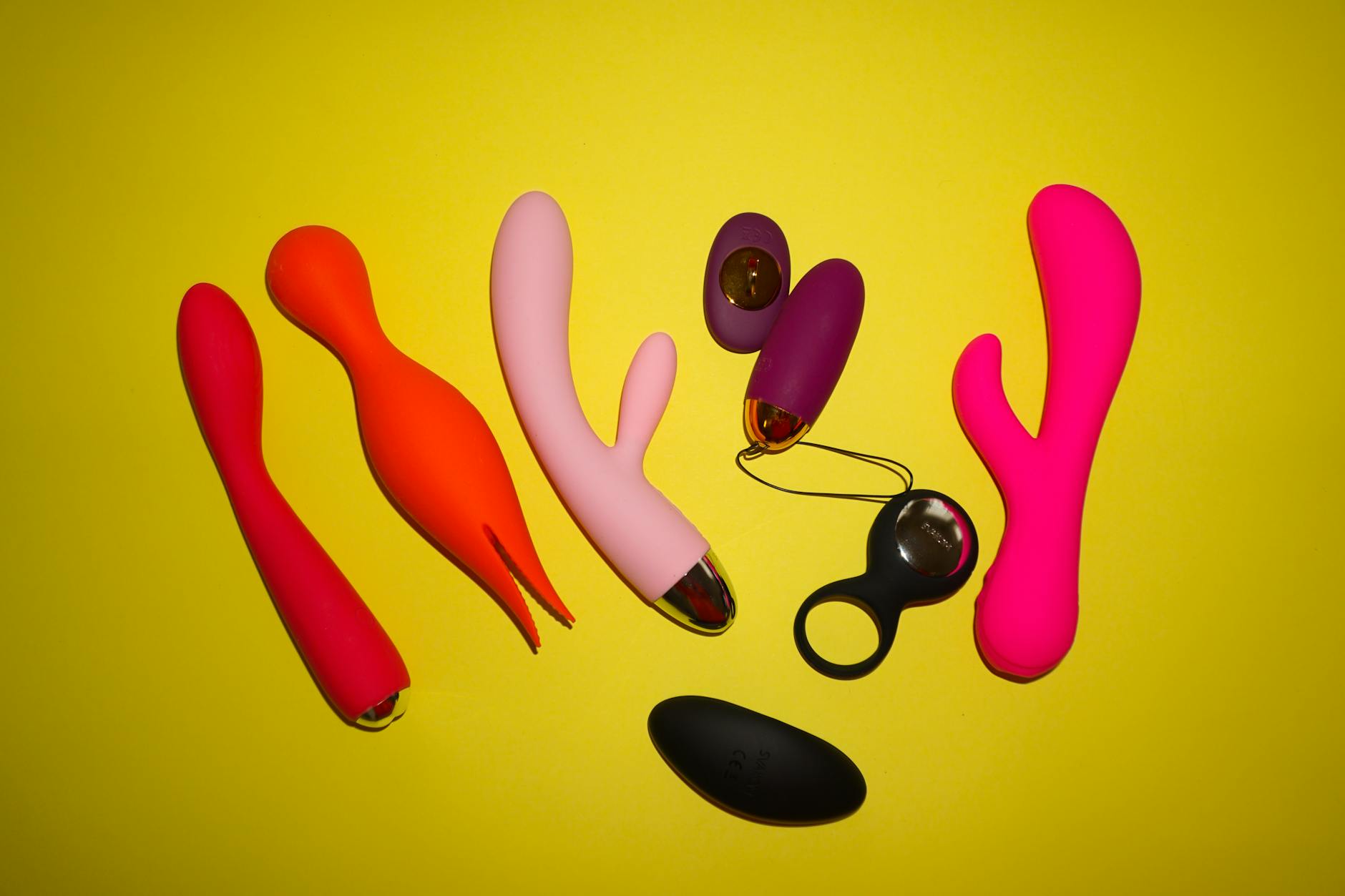
Photo by FounderTips . on Pexels
The role of touch and grounding
Burnout doesn't just affect sexual desire. It disconnects you from your body entirely. You're living in your head, managing crises, replaying conversations. You're not in your physical self.
Using a lemon vibrator forces you back into your body. Not aggressively. Gently. The vibrations are something external touching you, which can help break the dissociative cycle many burned-out people experience.
Before you use it, try this: place your hands on your chest or belly and take five deep breaths. Feel your skin. Feel yourself breathing. Then use the device. This small grounding ritual helps signal to your nervous system that this time is safe. It's not another demand. It's a moment of attention to yourself.
For many people, this simple practice shifts something. The focus becomes less about "will I orgasm" and more about "I'm touching myself because I deserve care."
What to do if your partner is involved
If you're in a relationship, burnout often creates sexual disconnection that frustrates both people. Your partner might feel rejected. You might feel guilty. The pressure itself becomes another stressor.
Here's what helps: separate the conversation. Tell your partner something like, "My libido has crashed because I'm burned out. It's not about you. I'm using a lemon clitoral vibrator regularly to help reset my nervous system. This is for me. Sometimes you might be involved, but I need space to rebuild this on my own first."
This usually lands better than silence or false willingness. Honesty reduces resentment. And when you eventually feel desire returning, your partner will understand it's genuine rather than forced.
The patience part nobody talks about
Restoring libido from burnout takes time. Not weeks. Months, usually. Your nervous system needs to feel safe consistently before desire naturally returns.
Using a lemon vibrator accelerates the process, but it doesn't skip over it. You might feel nothing the first five times. That's normal. Your brain is still catching up to the message that pleasure is available.
Keep going anyway. Not as punishment. As an act of agency. You're saying to your burned-out nervous system: I'm giving you back this thing stress took from you.
When burnout is paired with other factors
Some people have low libido from stress plus medication side effects, or stress plus hormonal changes, or stress plus pelvic floor tension. These combinations compound.
If you're on an antidepressant and burned out, a lemon vibrator can help with both. If you have hormonal changes on top of stress, you might benefit from longer warm-up time and higher-quality lubricant alongside your Lem. If your pelvic floor is tight from stress, consider pelvic floor relaxation (the opposite of Kegels) before using the device.
The device works across contexts, but context matters. If pleasure isn't returning after three months of consistent use, talk to a therapist or doctor. Burnout sometimes masks deeper issues. You deserve support on multiple fronts.

Photo by cottonbro studio on Pexels
The bigger picture
Lemon vibrators can help restore pleasure when stress has stolen it. But they're not a cure for burnout itself. You still need to address the root causes: workload, boundaries, sleep, support.
Use the device as part of a larger reset. It's one tool. Not the whole solution. When you use it alongside actual rest and boundary-setting, that's when real change happens.
Your libido isn't broken. It's on pause. And pauses can end.
FAQ: Low libido from stress and lemon clitoral vibrators
Will using a lemon vibrator actually bring my desire back?
It can help, but it's not automatic. Lemon clitoral vibrators work best when paired with actual stress reduction. If you use the device three times a week but your schedule is still chaotic and you're sleeping five hours, progress will be slower. The vibrator resets your nervous system's pleasure response. But your nervous system also responds to your actual living situation. Address both.
How long until I feel desire again after using lemon sexual toys?
This varies widely. Some people notice a shift in four to six weeks. Others take three to four months. The timeline depends on how severe your burnout is, whether you're addressing root causes, and your individual nervous system. Consistency matters more than speed. Three times a week for three months beats sporadic use over six months.
What if I feel nothing when I use the Lem, even on high settings?
This is common when you're severely stressed. Your sensory system is dampened. Try lowering the intensity instead of increasing it. Sometimes a gentler sensation reaches burned-out nervous systems better than strong stimulation. Also, make sure you're hydrated and not using it right before bed. Timing and basic self-care affect sensation.
Can I use a lemon sucker device if I'm already on antidepressants?
Yes. Antidepressants and lemon vibrators work through different mechanisms. The medication manages your brain chemistry. The device helps rewire your nervous system's pleasure pathways. They complement each other. If your antidepressant is causing sexual side effects on top of burnout, talk to your prescriber. Sometimes a dose adjustment or timing change helps. The lemon clitoral vibrator helps regardless.
Should I use a lemon vibrator alone or with my partner?
Start alone. This lets you rebuild a solo pleasure practice without pressure or performance anxiety. When you feel desire returning on your own, then introduce partnered pleasure if you want to. Solo practice also helps you learn your own nervous system, which makes partnered sex better long-term.
Is it normal to feel guilty about using pleasure tools when I'm so stressed?
Completely normal. Burnout teaches you that self-care is selfish and time is wasted. Using a lemon vibrator contradicts that story. It says: I deserve sensation and rest and pleasure. Reframe it: using a lem vibrator for 15 minutes is actually more productive than scrolling your phone or ruminating. It's nervous system regulation. It's medicine. Give yourself permission.
Moving forward
Burnout is real, and it's brutal to your sexuality. But it's also reversible. When you use lemon vibrators as part of a genuine recovery plan—alongside actual rest, boundary-setting, and support—your desire can come back. Not to prove anything. But because you deserve to feel pleasure again. That matters. Start small. Be consistent. And trust that your nervous system knows how to enjoy itself once it feels safe enough to remember.