
Let's start with what you already know
You want your partner less often than they want you. It's not about attraction or love. Your body and brain are just wired differently when it comes to sexual frequency, and that mismatch is quietly one of the most common reasons couples end up feeling disconnected.
Here's the thing nobody tells you: a vibrator isn't about "keeping up" or performing. It's about pleasure on your own terms. And when you're the partner with the lower sex drive, that distinction changes everything.
The mismatch conversation nobody's having
Most relationship advice frames this as a problem to solve. Get your libido up. Try more foreplay. Be more present. But that advice assumes the gap exists because something is broken in you, which is rarely true.
Mismatched desire is almost always about speed, not capacity. Your partner wants sex twice a week. You want it twice a month. Neither of you is wrong. Neither of you is broken. You're just operating on different frequencies.
The pressure to close that gap often backfires. When you feel obligated to want sex more than you do, two things happen: you show up resentfully, and your body actually becomes less responsive because you're caught between your genuine desire and your partner's need. That's not a recipe for good sex. That's a recipe for feeling trapped.
Why lemon clitoral vibrators change the equation
Here's where The Lemon Vibes' approach to clitoral stimulation matters. Lemon vibrators work quickly and reliably, which means they compress the arousal timeline. When your natural arousal ramps up slowly (or you're not in the mood but willing to connect), air-suction technology cuts through the friction.
The Lem, for example, uses pulsing suction instead of vibration. This means you can achieve intense sensation without the mental load of "am I aroused enough for this to feel good." Your body does the work faster, which means:
You're not faking. You're not performing. You're actually getting pleasure, which translates into genuine presence with your partner.
Your partner gets the connection they need without feeling rejected.
You're not exhausted or resentful afterward because the experience was on your terms.
That's the opposite of pressure. That's collaboration.
The three-part reset that actually works
If you're navigating lower desire than your partner, here's the framework I use with couples:
1. Separate the conversation from the pressure. Tell your partner: "My desire isn't about you. My body works at this frequency. I want us to stay connected, and here's how."
This removes the defensive crouch. You're not apologizing for your libido. You're making a plan.
2. Use a lemon vibrator as the bridge, not the bandaid. The difference matters. A bandaid means you're covering up resentment. A bridge means you're building a path across the gap.
If you use a clitoral vibrator during partnered sex, you're choosing to show up. Your partner is choosing to prioritize your pleasure. That's alignment, not compromise.
3. Schedule sex, but do it together. Scheduled sex feels clinical until you own it. If you and your partner agree on Tuesday and Friday nights, then Tuesday and Friday are your nights. You're not being forced. You're creating structure so desire can build.
On those nights, use The Lemon Vibes' lemon vibrators beforehand or during. It's not about supplementing your desire. It's about choosing engagement.
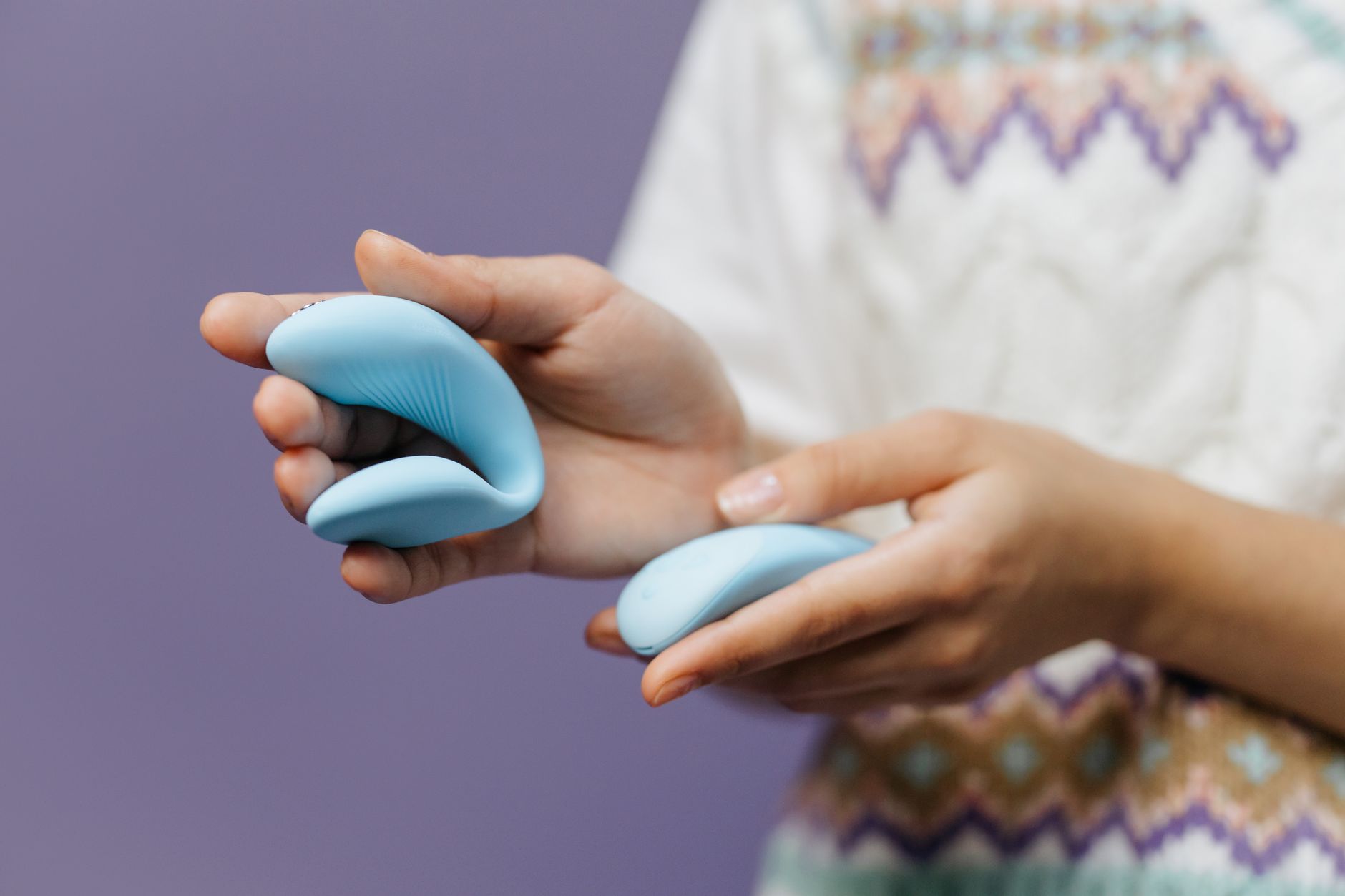
Photo by cottonbro studio on Pexels
How to introduce a lemon vibrator without it becoming a thing
If you're the one with lower desire, you might worry that suggesting a vibrator signals "I need help getting turned on," which feels like admitting defeat. Reframe it:
You're not admitting anything. You're experimenting. Pleasure tools aren't for people with broken desire. They're for people who want pleasure on their own timeline.
Start with this: "I want to try something together to see if it changes how I feel during sex." That's honest without being vulnerable to interpretation.
Introduce the vibrator gradually. Maybe it's used solo first, so you understand how it works and how it makes you feel. Then during foreplay with your partner, integrate it naturally. Some partners respond well to watching. Others prefer to focus on their own sensation while you use it.
The key: there's no "right" way. The point is that you're choosing to engage with your own pleasure, which makes you more present and less resentful.
Why this works when resentment hasn't
Ressentials builds silently when one partner feels rejected and the other feels pressured. A vibrator doesn't fix resentment, but it interrupts the cycle by creating an experience where both people's needs are met simultaneously.
Your partner gets connection and sex. You get pleasure without coercion. That shifts the dynamic from "I'm doing this for you" to "We're doing this for us."
The Lem or other lemon sexual toys from The Lemon Vibes make this possible because they're fast and genuinely pleasurable. You're not pretending. Your partner isn't performing emotional labor to arouse you. You're both just... having sex that feels good.
Over time, something unexpected often happens. When you're not fighting your own body's desire, when you're not resentful about being pressured, when you're actually getting pleasure, you sometimes want sex more often. Not because you forced yourself. But because the experience changed.
The conversation to have afterward
Let's say you try a lemon vibrator during sex. Here's what you talk about after:
What felt good about that? (Not just physically. Emotionally.)
Did it feel different to you, as the partner with higher desire, knowing I was genuinely enjoying myself?
Would you want to do that again?
These questions aren't about whether you'll now want sex five times a week. They're about whether you both felt closer. And that's the actual goal.
When to consider other factors
Lower desire sometimes isn't about speed or body chemistry. It's about stress, depression, medication, or the relationship itself. If you've been taking antidepressants and your libido dropped, that's medical. If your partner has been distant and you've lost desire, that's relational.
A vibrator helps with the first category. It doesn't fix the second. Be honest about what you're actually dealing with.
If you suspect medication or a health condition is the culprit, talk to your doctor. If you suspect the relationship has erosion underneath, consider a couples therapist before investing in more pleasure tools.
The bigger picture
Mismatched sex drives end relationships not because the mismatch exists, but because couples never figure out how to talk about it without shame. One person feels rejected. One person feels pressured. Both feel alone.
A lemon vibrator is a practical tool for that conversation. It's proof that you can both get what you need. It's a way of saying "I want to show up for you without losing myself."
That's what sustainable desire looks like. Not matching your partner's frequency. Not resentment. But genuine choice.
FAQ
Why doesn't willpower or more effort help with lower libido in relationships?
Because desire isn't a discipline problem. When you try to force arousal through willpower, you're using the part of your brain that controls logic, but arousal is controlled by the nervous system. You can't willpower your way into physiological response. In fact, pressure typically suppresses arousal further because it activates your sympathetic nervous system (fight-or-flight) instead of your parasympathetic system (rest-and-digest). That's why effort often backfires. You're literally working against your body's biology.
Can a clitoral vibrator like The Lem actually increase desire over time?
Not directly. But it can remove the obstacles to desire. When you remove pressure, resentment, and the stress of forcing arousal, your nervous system relaxes. From that state, desire emerges more naturally. Many people find that consistent, pleasurable sexual experiences (with or without a vibrator) create a positive feedback loop. Your body associates sex with genuine pleasure, not obligation. That can shift frequency. But the vibrator itself isn't rewiring your brain. It's just removing the friction so your actual desire can surface.
Should I use a lemon vibrator every time we have sex?
No. The point is choice and variety. Some nights you might use it. Other nights, you might not. If it becomes routine, it loses its power to interrupt the pressure dynamic. Think of it as a tool you can reach for when you want to, not a requirement. The goal is pleasure and presence, not another obligation.
What if my partner feels threatened or insecure about using a vibrator?
That conversation needs to happen separately from introducing the tool. Your partner might feel like you're saying they're not enough, which usually comes from insecurity about their desirability or performance. The antidote isn't reassurance ("You're enough"). It's education. A vibrator isn't about replacing them. It's about the two of you creating an experience where you both get what you need. If your partner remains threatened, couples therapy can help unpack why and build security from there.
Is lower libido ever a sign the relationship needs to end?
Sometimes. But usually not. Desire naturally fluctuates across a lifetime and a relationship. If the only problem in your relationship is frequency mismatch, and both of you are willing to problem-solve, that's very workable. If lower desire is a symptom of deeper disconnection, resentment, or incompatibility in values, that's different. Be honest about which category you're in. A vibrator can bridge a frequency gap. It can't fix a broken relationship.
Can lemon vibrators help if I have responsive desire instead of spontaneous desire?
Absolutely. Responsive desire means you don't feel spontaneous arousal, but you get aroused once sexual activity starts. That's not a malfunction. It's just how your nervous system is wired. The challenge is that your partner might initiate and you initially say no, even though you'd enjoy sex if it started. Using a lemon clitoral vibrator gives you a way to say "yes, but let me get myself started first." You use the vibrator to transition from neutral to engaged, then continue together. This honors both your nervous system and your partner's need for connection.
The real take-home
Here's what I know from working with couples: desire mismatch rarely destroys relationships. Shame about desire mismatch does. When you can talk about frequency without judgment, when you can use tools like lemon vibrators from The Lemon Vibes without it meaning something's broken, when you can prioritize mutual pleasure over matching libidos, the relationship gets stronger.
Your lower desire isn't a flaw. Your partner's higher desire isn't a demand you have to meet. You're just two people who need different things, and there's a way forward that honors both.