What disconnection actually feels like
You're being touched and you know it's happening, but there's a distance between the sensation and you. It's like watching your body from behind glass. Some people describe it as watching a movie of their life instead of living it. Others say it feels like their body belongs to someone else entirely.
That's depersonalization or derealization. And if you're experiencing it during intimacy or solo pleasure, you're not broken. You're having a normal response to abnormal amounts of stress.
Why disconnection shows up in the bedroom first
Your nervous system prioritizes survival over sensation. When you're chronically stressed, anxious, or processing past trauma, your brain decides that pleasure is a luxury it can't afford right now. So it dampens the volume on all incoming sensory information, including touch. You keep functioning, but you're operating on a muted channel.
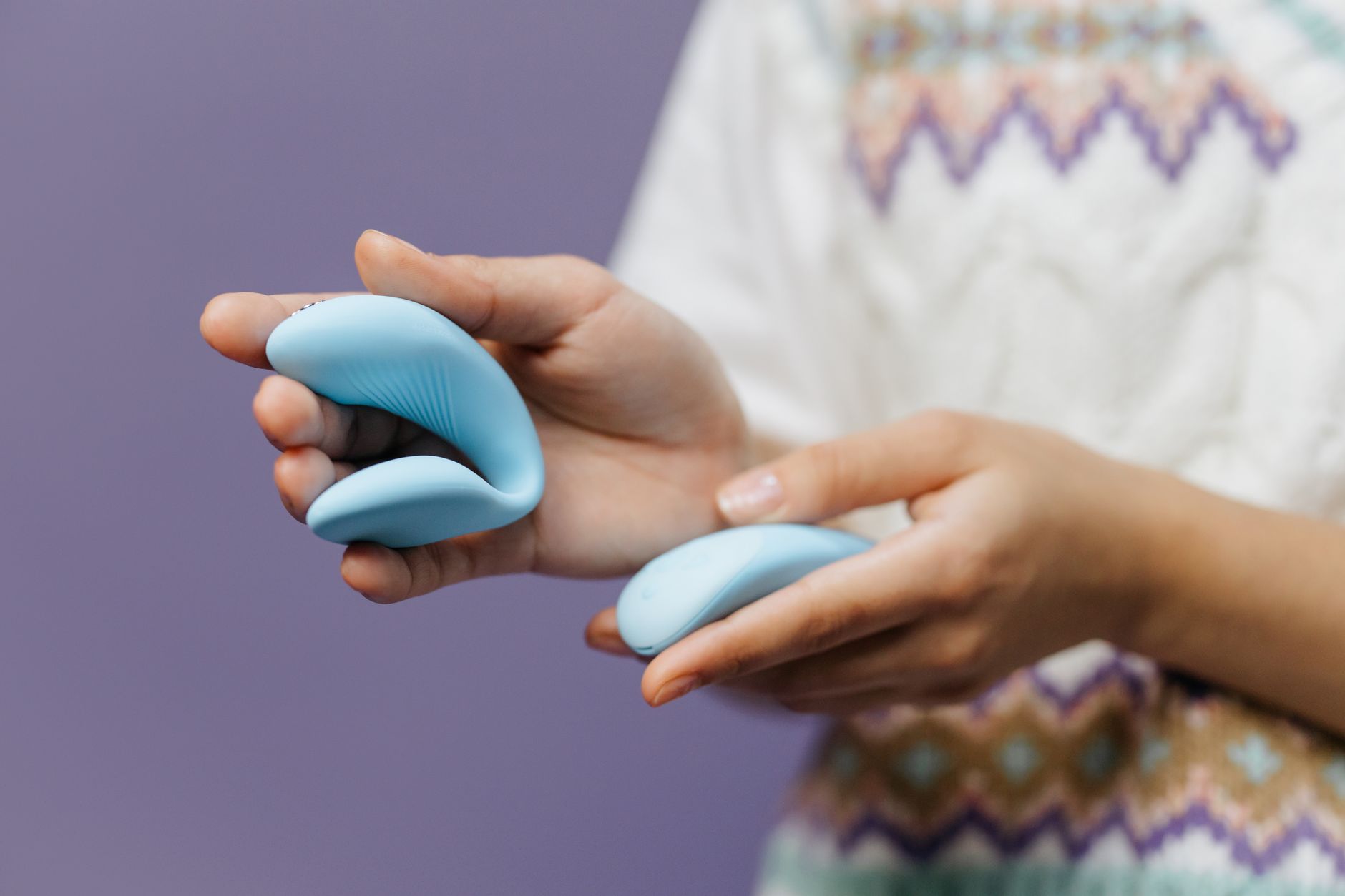
This is where lemon vibrators and other clitoral vibrators become genuinely useful. They're not a magic fix, but they work with your nervous system instead of against it. The specificity and intensity of lemon sexual toys helps your brain re-register sensations that have been turned down to near silent.
The physiology of sensation and intensity
When your sensory threshold is elevated (which it is during disconnection), gentle touch often feels like almost nothing. Your brain has to be convinced that feeling is worth paying attention to. A clitoral vibrator, especially one like a lemon sucker, provides enough concentrated stimulation that your nervous system can't ignore it.
Here's the key difference: traditional vibration is just movement. The lemon design uses suction and pulse patterns that mimic oral stimulation, which activates a denser cluster of nerve endings than flat vibration alone. Your nervous system registers this as novel and significant. That register is the first step toward reconnection.
Starting when presence feels impossible
If you're deeply disconnected, jumping straight to a lemon vibrator might actually feel overstimulating. Start smaller. Here's how I work with clients on rebuilding sensation:
Week one: sensation mapping. Before using any toy, spend 5 minutes daily noticing where you can actually feel touch. Not judging it, not trying to feel more. Just noticing. Cold water on your wrists. A soft fabric on your forearms. This retrains your attention.
Week two: grounding with touch. Add a lemon vibrator at the lowest setting for 2-3 minutes, but don't aim for arousal. Set a timer. The goal is noticing the sensation exists, nothing more. Many people find that giving themselves permission to feel "nothing" paradoxically makes feeling possible.
Week three: building tolerance. Increase to 5 minutes. Notice if the sensation is changing. Does pattern 2 feel different than pattern 1? Is there any sensation of anticipation building? Again, no pressure to become aroused.
Week four and beyond: Now you can play with intensity and duration in the way that feels good to you.
Lemon vibrators specifically for reconnection work
The suction design of a lemon clitoral vibrator creates a different kind of stimulation than a standard vibrator. It's more localizing. It pulls your attention to a specific area and holds it there. For someone rebuilding presence in their body, this focused attention is valuable. It's like your nervous system gets a clear signal. "There. Feel this. Here's what's happening."
Start at patterns 1 or 2. Your goal isn't intense pleasure yet. It's signal detection. You're teaching your brain that feeling is safe again and possible.
The role of mental anchoring
Intensity alone doesn't rebuild disconnection. You need presence too. This is where I ask clients to add a small mental practice.
While using your lemon vibrator, anchor your attention to one of these:
- Your breathing. Count the exhales. Notice if your breath changes as you build sensation.
- The sensation itself. Not "am I getting aroused," but literally "what does this feel like right now."
- A single word or phrase repeated quietly. Some clients use "here," "present," or "I'm here."
This isn't spiritual or woo. You're literally training your attention to stay in your body instead of drifting. That's how reconnection happens.
Building arousal after reconnection starts
Once you're regularly feeling sensation (usually after 2-4 weeks), arousal often follows naturally. Your nervous system gets the message that it's safe to feel more. At that point, you can use your lemon clitoral vibrator the way you might have before disconnection started.
Some people find that slower arousal patterns work better when you're rebuilding presence, because you're less likely to push yourself or feel frustrated if it takes longer.
When disconnection is tied to trauma or relationship conflict
If your disconnection is linked to a specific event, relationship issue, or ongoing trauma, a toy alone won't fix it. But it can be part of the fix. When you feel disconnected after relationship conflict, lemon vibrators help you reclaim solo pleasure while you're working on the relationship piece separately.
Similarly, if disconnection is a symptom of something larger (depression, complex PTSD, dissociative disorders), talk to a therapist or counselor alongside using pleasure tools. The two work together, not instead of each other.
The permission part that matters most
Here's what I see most often: people trying to use a lemon vibrator while still judging themselves for being disconnected. "I should be feeling more by now." "Why isn't this working." "Other people don't have this problem."
All of that judgment shuts down the nervous system further. Disconnection itself is a protective response. Your body did this because it needed to.
The actual reconnection work starts when you can say, "My nervous system is protecting me right now. That makes sense. I'm going to use this tool gently and let it take as long as it takes."
Lemon vibrators are excellent at that patient, specific stimulation. But your permission is what actually opens the door.
Practical next steps
If you're exploring this right now: grab your lemon vibrator, set a timer for 3 minutes, use pattern 1, and notice what you notice. Nothing else. That's it. That's the whole practice at first.
If reconnection isn't happening after 4-6 weeks, or if disconnection is severe enough that it's affecting your daily life, reach out to a trauma-informed therapist. They can rule out dissociative disorders and help you build a more comprehensive approach.
Your body wants to feel. Sometimes it just needs time and very specific permission to get there.
People also ask
How long does it take to reconnect to your body after dissociation or numbness?
There's no standard timeline. Some people notice small shifts in sensation within a week or two of consistent, gentle practice. Others take several weeks. The key is consistency and releasing the expectation of a specific outcome. Reconnection work is slower than regular pleasure-building because you're retraining your nervous system's safety response, not just chasing sensation. If you're seeing zero change after 6-8 weeks of regular practice with a lemon vibrator, that's worth discussing with a therapist.
Can I use a lemon vibrator if I'm triggered by touch?
Depends on the trigger. If touch itself is triggering, a vibrator might be too stimulating at first. Start with texture instead: soft fabrics, temperature play, or even just noticing your own heartbeat. Once you rebuild some sensation tolerance, a lemon clitoral vibrator's specific, localized sensation can actually feel safer than broader touch because it's more predictable. But move slowly and check in with yourself.
What if lemon vibrators feel too intense when I'm disconnected?
Start at pattern 1 and use it for just 1-2 minutes instead of longer sessions. You can also try covering the toy with a thin silicone barrier or holding it slightly further from your body to reduce intensity while you're rebuilding. The goal early on isn't pleasure. It's just signal detection. You're teaching your nervous system that sensation is possible.
Is disconnection during sex a sign something's wrong with the relationship?
Not necessarily. Disconnection can be about your nervous system, stress, past trauma, medication, or dissociative tendencies that have nothing to do with your partner or the relationship. That said, it's worth having a conversation with your partner about what's happening and exploring whether relationship stuff is contributing. Often it's both. A lemon vibrator helps with the solo reconnection piece while you work on the relationship piece separately.
Can my partner help me reconnect using a lemon vibrator?
Yes, but usually after you've done some solo work first. Once you've rebuilt some sensation and comfort with the toy on your own, partnered use can deepen intimacy. But having a partner present during early reconnection work can actually add pressure. Start solo, rebuild your sense of agency and presence, then bring a partner in if that feels right.
What if I feel guilty using pleasure tools while disconnected?
That guilt is worth examining. Some people feel like they "should" be able to feel without tools. Others worry they're being selfish or avoiding real emotional work. Here's the truth: using a lemon vibrator during disconnection isn't avoidance. It's active nervous system regulation. You're not bypassing the hard work. You're making the hard work possible by teaching your body it's safe to feel again.