Let's talk about what trauma does to your body
Relationship trauma rewires how your nervous system responds to intimacy. Your body may freeze during touch, or flood with cortisol when things get sexual. That's not a flaw. That's your nervous system doing exactly what it's supposed to do after harm. The challenge is recalibrating it.
The good news: your capacity for pleasure didn't vanish. It's just been pushed into the background by a survival response that's now working overtime. Rebuilding intimate connection after betrayal requires three things: control, safety, and a tool that doesn't carry the weight of partner-related expectation.
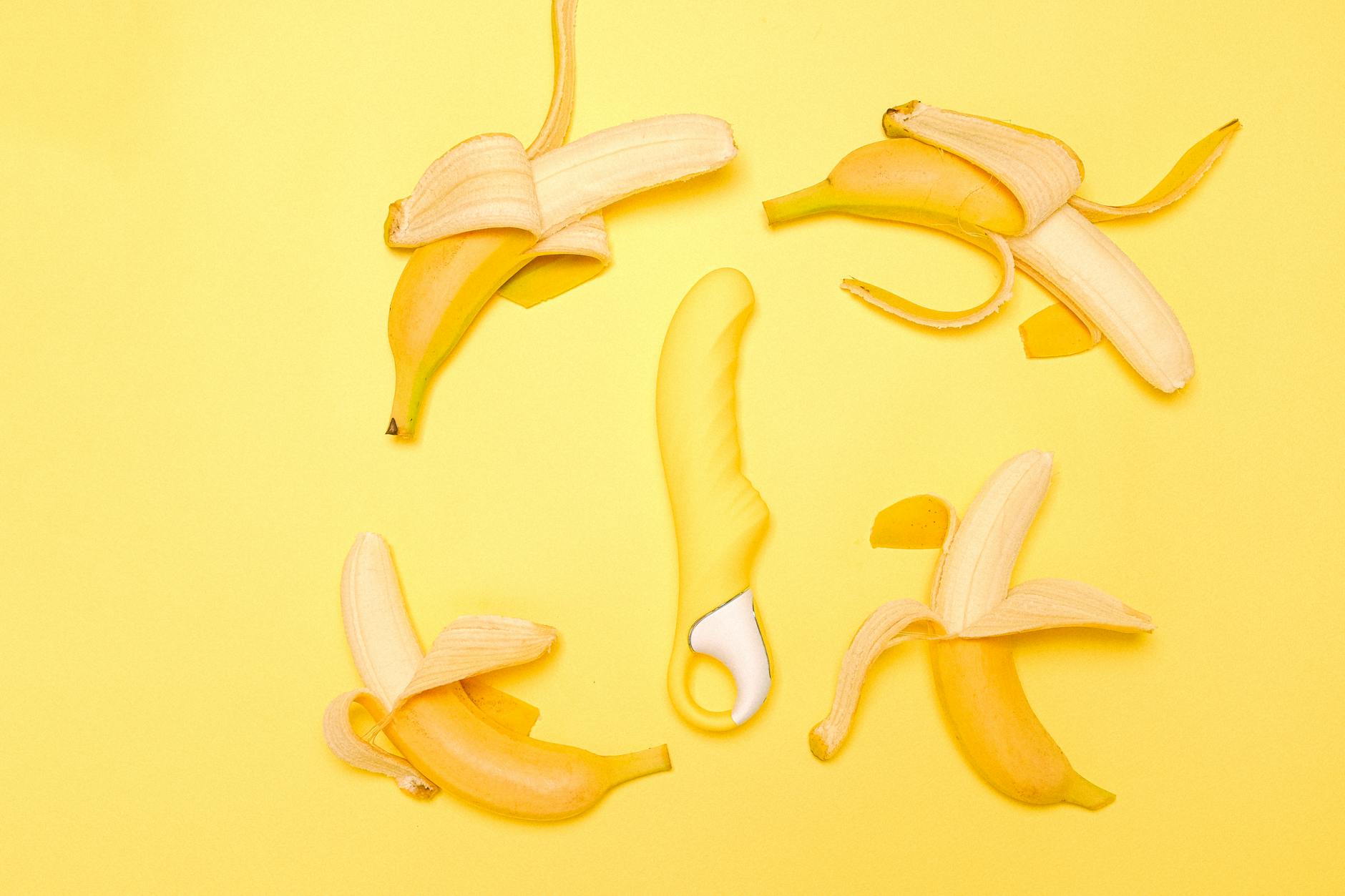
That's where lemon vibrators enter the conversation.
Why solo pleasure is actually the foundation
Here's the counterintuitive part. Many people want to "fix" things by jumping back into partnered intimacy. That almost never works. Your body needs to learn, first, that pleasure is something you can access independently, on your terms, without needing permission or performance.
Lemon clitoral vibrators are uniquely suited to this work because they're precise, they're fast, and they don't require vulnerability. You're not waiting for someone to read your body. You're not negotiating speed or pressure. You're learning your own pleasure again.
Solo exploration with a lemon vibrator is not a detour. It's the actual healing work.
How to start if you're nervous or triggered
If you're rebuilding after trauma, your nervous system might spike at the idea of touching your own genitals. That's normal. Here's how to move through it without forcing.
First session: no expectation of pleasure. Set a time when you're alone and unhurried. Lie down with your clothes on. Hold the lemon vibrator in your hand without turning it on. Let your nervous system recognize it as an object, not a threat. Spend 10 minutes just getting comfortable holding it. That's the whole session. You're teaching your body that this tool exists and that you're in control of it.
Second session: pressure and curiosity. Turn the vibrator on to the lowest pattern (usually pattern 1 on Hello Nancy lemon vibrators). Apply it to your outer thigh or your pubic mound, still over clothing if you want. Notice the sensation without judgment. Does it feel good? Does it feel strange? Both are fine. Neither means anything about your capacity to heal.
Third session and beyond: direct contact. When you're ready, use the lemon vibrator directly on your clitoris with plenty of water-based lube. Start low and slow. The air-suction technology of lemon vibrators means you're not dealing with harsh vibration. The sensation is gentler, more diffuse. That matters when your nervous system is already on edge.
Building a ritual around safety
Trauma survivors benefit from ritual because ritual creates predictability. Your nervous system can relax when it knows what to expect.
Build your lemon vibrator practice into a small ceremony. This could mean: same time each week, same room, maybe some music or a scent you like. Light the space however feels good. The point is not luxury or performance. It's consistency and the message to yourself that your pleasure matters enough to be planned.
When you use a Hello Nancy lemon vibrator as part of a deliberate, recurring ritual, you're telling your nervous system: "This time is for me. This is safe. I control what happens." That matters more than the vibrator itself.
How to navigate the gap between solo and partnered intimacy
Eventually, many people want to bring a partner back into sexual exploration. That's a separate conversation from solo work, and the timing matters.
You're ready to explore with a partner when: you can access pleasure solo consistently (at least 2-3 times per week), you can do it without intrusive thoughts, and you want to share it (rather than feeling obligated). There's no timeline. For some people that's 2 months. For others, it's 2 years.
When you do start with a partner, introduce the lemon vibrator to them as a shared tool, not a substitute for their touch. Use it together in a low-stakes way. Many couples find that starting with solo pleasure while the partner watches, with no expectation of penetration or additional touch, helps rebuild trust around sexuality.
The lemon vibrator gives you an out if things feel overwhelming. You can hand it to them or set it down. You maintain agency. That agency is what trauma recovery is actually about.
What happens when numbness sets in
Some people find that after using a lemon vibrator, their clitoris feels less sensitive for a few hours. This is temporary desensitization, not permanent damage. It happens because of how suction-based stimulation works on nerve endings.
Here's how to manage it: take breaks between sessions. If you're using a lemon vibrator 3-4 times per week, space them out. Give yourself at least one day between sessions. If you notice ongoing numbness beyond a few hours, scale back frequency.
There's also research suggesting that the most intense orgasms come from pacing. Using your lemon vibrator once or twice a week, with intention and presence, often delivers more meaningful pleasure than daily use. Quality over quantity applies here.
When to bring in professional support
If you're working through relationship trauma and find that you're not progressing, or if intrusive thoughts are overwhelming during solo sessions, that's a signal to work with a trauma-informed therapist. There's no shame in that. Some nervous systems need additional support beyond what a vibrator can offer.
A good therapist, especially one trained in somatic (body-based) approaches, can help you understand your specific nervous system response and create a personalized plan. The lemon vibrator is a tool. A professional is a partner in your actual healing.
The real goal
You're not using a lemon vibrator to "get over" trauma. You're using it to reclaim your body as a source of joy, not just a site of harm. That's slow work. It's unglamorous. But it's the foundation that everything else builds on.
Solo pleasure with a tool you control is how you learn: I deserve this. My body is mine. My pleasure matters. Those aren't small things. They're the actual healing.
FAQ: Rebuilding Intimacy With Lemon Vibrators
How soon after trauma can I start using a lemon vibrator?
There's no universal timeline. Some people are ready within weeks. Others need months or years. The signal is readiness to explore your own body without judgment, not a calendar date. Start when you feel curious, not pressured. If using a vibrator brings up panic or overwhelming distress, pause and work with a therapist first.
Will using a lemon vibrator make it harder to orgasm with a partner later?
No. The research on this is clear: solo exploration actually improves partnered sex by helping you know what you like. You're not training your body to need a vibrator. You're teaching yourself about pleasure so you can communicate that to a partner. Those are completely different things.
Can I use a lemon clitoral vibrator if I have flashbacks during sex?
Absolutely. In fact, many people find that using a lemon vibrator solo, in a controlled environment, helps retrain their nervous system so flashbacks become less frequent over time. If flashbacks happen during solo use, pause the session and ground yourself (feel your feet on the floor, name five things you can see). That's data. Talk to a therapist about what triggered it.
Is it normal to feel guilty about using a lemon vibrator after relationship harm?
Very normal. Many survivors internalize shame around sexuality as a side effect of trauma. Using a Hello Nancy lemon vibrator, alone, for your own pleasure, is reclaiming something that was taken. That can feel transgressive at first. That feeling usually softens with time and repetition. If it doesn't, that's worth exploring with a professional.
How do I know if I'm progressing in my healing with solo pleasure?
Progress isn't linear, but signs include: you can use your lemon vibrator without intrusive thoughts most of the time, you feel genuinely interested (not obligated) in sessions, you can orgasm more reliably, and your nervous system feels less reactive to sexual touch. If none of these are shifting after consistent practice over months, add professional support.
Can my partner use a lemon vibrator on me before I'm ready for full partnered sex?
Yes, if you want that. Some people find it helpful because a partner holding the lemon vibrator creates a gentler entry back into shared sexuality. You stay in control (you can ask them to stop anytime), but you're not alone. That balance works for some survivors. Talk with your partner about what feels safe first.
Moving forward
Rebuilding sexual trust after relationship trauma isn't about rushing back to how things were. It's about creating something new, something that's entirely yours. A lemon vibrator is one tool in that process. The real work is the consistency, the patience with yourself, and the willingness to listen to your body when it tells you what it needs.
If you want to talk through your specific situation or need resources for trauma-informed therapists, reach out to Hello Nancy at /contact. You don't have to do this alone.