Here's the thing nobody tells you at 50, 55, or 60
Pleasure doesn't have an expiration date. If anything, discovering or rediscovering pleasure after 50 comes with fewer apologies, fewer comparisons, and significantly more clarity about what actually feels good. That's not a consolation prize. That's an upgrade.
If you're reading this because you've never used a vibrator, or you tried one decades ago and hated it, or you're curious what all the fuss is about, you're not late. You're exactly on time.
Why lemon vibrators are different from what you remember
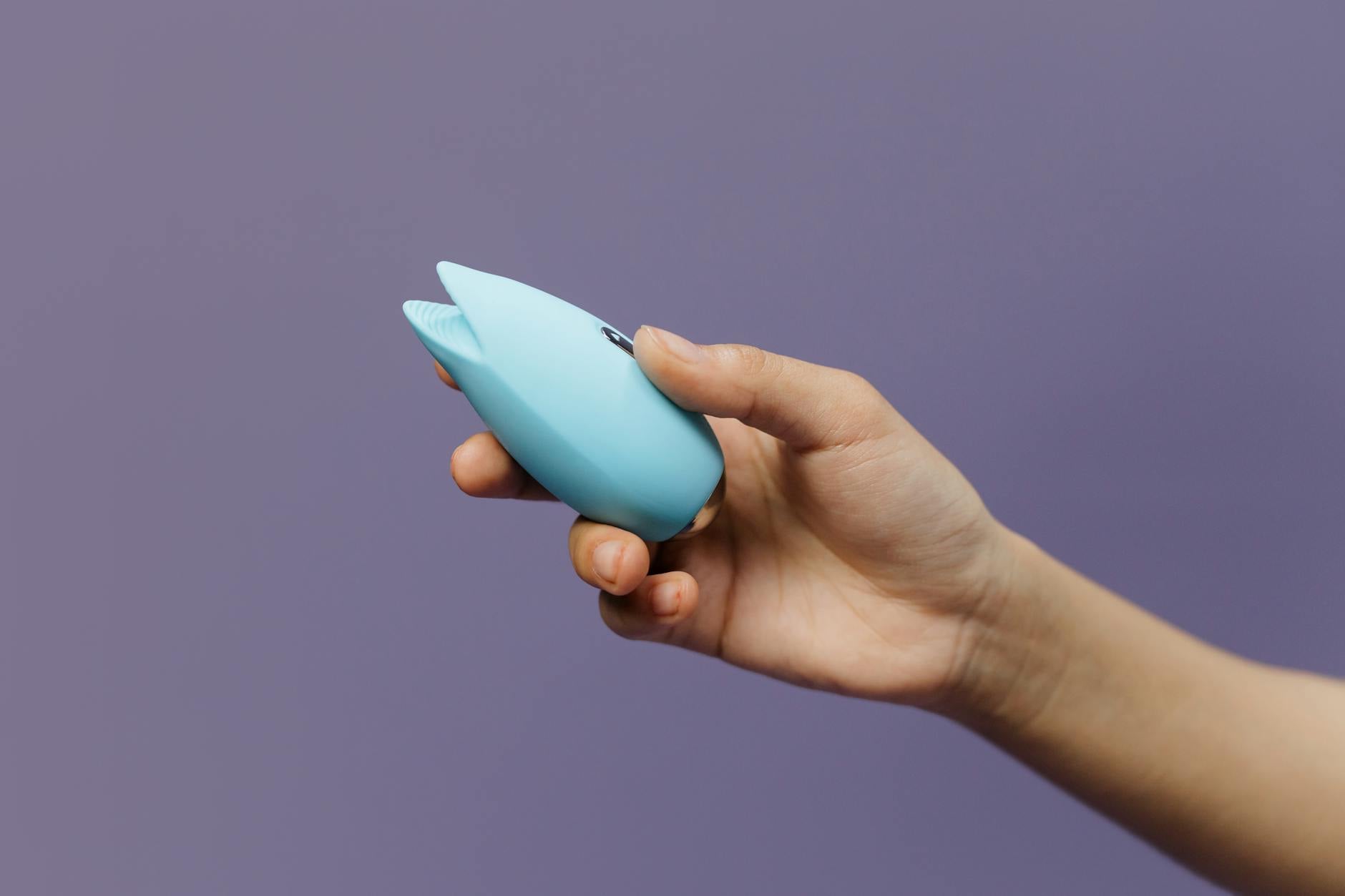
If your only reference point is a loud, aggressive vibrator from the 1990s or early 2000s, forget it. Today's clitoral vibrators, especially lemon-shaped designs like The Lem, work completely differently. Instead of pure vibration, they use suction and gentle air-pulse stimulation. Think of it less like buzzing and more like a rhythmic, rhythmic sensation. The effect is less mechanical and more responsive to your body.
For people over 50, this matters because suction-based stimulation doesn't require the same direct, intense pressure as traditional vibrators. It's gentler on sensitive tissue and often delivers more intense sensation with less effort. Many clients tell me their most satisfying experiences have come after 55, specifically because tools have gotten better.
The first-time anxiety is normal and solvable
Let me name what might be sitting under "I'm curious but nervous": embarrassment, worry that you're "too old" to start, doubt that your body will respond, fear of being judged if a partner finds out, or simple uncertainty about how to use the thing without feeling ridiculous. All of that is valid. And all of it dissolves with the first five minutes of privacy and honest expectation-setting.
Start alone. Not because you need to hide it, but because your brain will relax faster without an audience, and you'll learn your own preferences without performing. Pleasure isn't a performance sport, especially after 50 when you've likely spent decades accommodating everyone else's timeline.
Physical setup and comfort come first
Before you even touch a lemon vibrator, get comfortable. This means: a private space where you won't be interrupted, enough light that you can see what you're doing, and something to lie on or sit on that feels good. A bed works. A couch works. Even a chair with good back support works. The goal is zero tension in your shoulders or lower back while you're exploring.
Wash the vibrator with warm water and mild soap. Check the battery. Set your phone to Do Not Disturb. Make this intentional. You're not sneaking around. You're carving out time for yourself, which at any age, especially after 50, is an act of self-respect.
How to actually use a lemon clitoral vibrator
Start with the lowest setting. With The Lem or similar suction-based lemon vibrators, this usually means pattern 1 or 2. Place it gently against your clitoris. You don't need to press hard. The suction does the work. If it feels uncomfortable or too intense, move to an even lower setting or try just holding it nearby without full contact.
Many people over 50 discover that they need longer arousal time than they expected. Budget 15 to 25 minutes, especially your first few times. This isn't a shortcoming. It's your nervous system taking time to warm up and trust that pleasure is actually happening. Work with that, not against it.
If you're using any lubrication (which is smart, especially if you're post-menopausal or have thinner tissue), use water-based only. Silicone-based lubes can degrade silicone toys. Water-based works beautifully with lemon vibrators and rinses off easily.
What you might feel and what's actually normal
Many people describe the sensation as a building warmth, a rhythmic pressure that feels different from their own hand, or a sensation that's more concentrated than they expected. Some people feel absolutely nothing the first time, which is fine. Your nervous system might need a couple of sessions to recognize the sensation as pleasure.
You might also feel emotional. Not sad, necessarily. Just emotional. After 50, especially if you've spent decades without prioritizing your own pleasure, giving yourself permission to feel good can crack something open. That's not a red flag. That's actually a sign you needed this.
Orgasm is not the goal, even though it might happen. The goal is to learn what your body responds to and to give yourself explicit permission to enjoy it. If you orgasm easily, great. If you take a while or it doesn't happen the first five times, also great. You're gathering information, not passing a test.
Building a routine that feels sustainable
After your first few solo sessions, you'll know whether this is something you want to fold into your regular self-care or whether it's not for you. Both answers are fine. But if you're interested in building a practice, think of it like any other part of your health routine.
Many people over 50 find that using a lemon vibrator once or twice a week, or whenever they feel the urge, helps them stay connected to their own pleasure and maintain pelvic floor strength. There's no "correct" frequency. It's whatever feels good and doesn't feel forced.
If you have a partner, you don't owe them an explanation or an invitation, though many couples find that introducing pleasure tools together actually strengthens intimacy. That's a separate conversation and a separate choice.
What to do if something doesn't feel right
If you experience pain, burning, or significant discomfort, stop and give yourself a few days before trying again. Pain during sexual activity is not normal and not something to push through. A gynecologist who specializes in later-life health can rule out genitourinary syndrome of menopause (GSM) or other tissue changes. These are highly treatable, often with topical estrogen creams.
If you feel no sensation at all after a few sessions, you might benefit from exploring how sensation works when arousal takes longer to build. Sometimes it's not about the tool. It's about approach, timing, and patience.
The permission part, which matters most
My clients over 50 often tell me that giving themselves permission to explore pleasure was harder than the physical act itself. There's often a layer of "this is for young people" or "I should be focusing on my grandchildren" or "I don't have time for this." All of that is cultural noise, not truth.
Your pleasure at 50, 55, 60, or 70 is not less valid than it was at 25. It's actually more sophisticated because you know yourself better. You know what you like, what you don't, and you're less interested in performing for anyone else. That's not a loss. That's freedom.
Using lemon vibrators or any pleasure tool is an act of self-knowledge and self-care. It's also just... fun. You deserve that.
Frequently asked questions
Is it too late to start exploring pleasure tools at 50 or beyond?
Absolutely not. Many people discover or rediscover sexual pleasure after 50 because they have less anxiety, clearer preferences, and more permission to prioritize themselves. There's no age limit on pleasure. If anything, your 50s are an ideal time because you're less interested in performing and more interested in actual sensation.
Do lemon vibrators work if you've never had an orgasm before?
Yes. Lemon clitoral vibrators are specifically designed to be gentler and more responsive than traditional vibrators, which makes them good for people who've had difficulty with orgasm in the past. That said, orgasm isn't the only measure of pleasure. Many people use them for the sensation itself, not the end goal. If you're curious, start with the lowest setting and give yourself multiple sessions before deciding.
What if my partner doesn't know I'm using a vibrator?
That's your choice. You don't need permission or approval to explore your own body. That said, many partners respond well to honesty, and some couples find that using pleasure tools together actually strengthens connection. If you eventually want to share, "I've been exploring what feels good to me" is often enough of an opening. Your pleasure is not a threat to your relationship. It's an investment in you.
How often should I use a lemon vibrator if I'm over 50?
There's no standard frequency. Some people use lemon vibrators once a week, others a few times a month, others only occasionally. What matters is that it feels good and not forced. If you're using it to maintain pelvic floor strength or to stay connected to pleasure, once or twice a week is common. But listen to your own body and desire, not a schedule.
What if I don't feel sensation the first time I use one?
Perfectly normal. Your nervous system might need a few sessions to recognize suction as pleasure, especially if you're new to vibrators or if your arousal patterns have changed with age. Give it 2 to 3 tries, making sure you're in a relaxed state and have plenty of time. If you're still not feeling it after that, your body might just respond better to different types of stimulation. That's information, not failure.
Are lemon vibrators safe for people taking medications or with health conditions?
Generally yes, but check with your healthcare provider if you're on blood thinners, have a pacemaker, or have active pelvic pain or infection. If you have post-menopausal dryness, use water-based lubricant. If you have a history of vulvodynia or pelvic pain, start with the absolute lowest setting and go slow. Your body's signals matter more than any tool. Honor them.
Pleasure at 50 and beyond is not a consolation prize for lost youth. It's an option that many people didn't give themselves permission to explore until later. If you're curious, you've already won. You don't need to rush, perform, or hit any particular milestone. You just need to show up for yourself and be willing to find out what feels good. That's the whole thing.