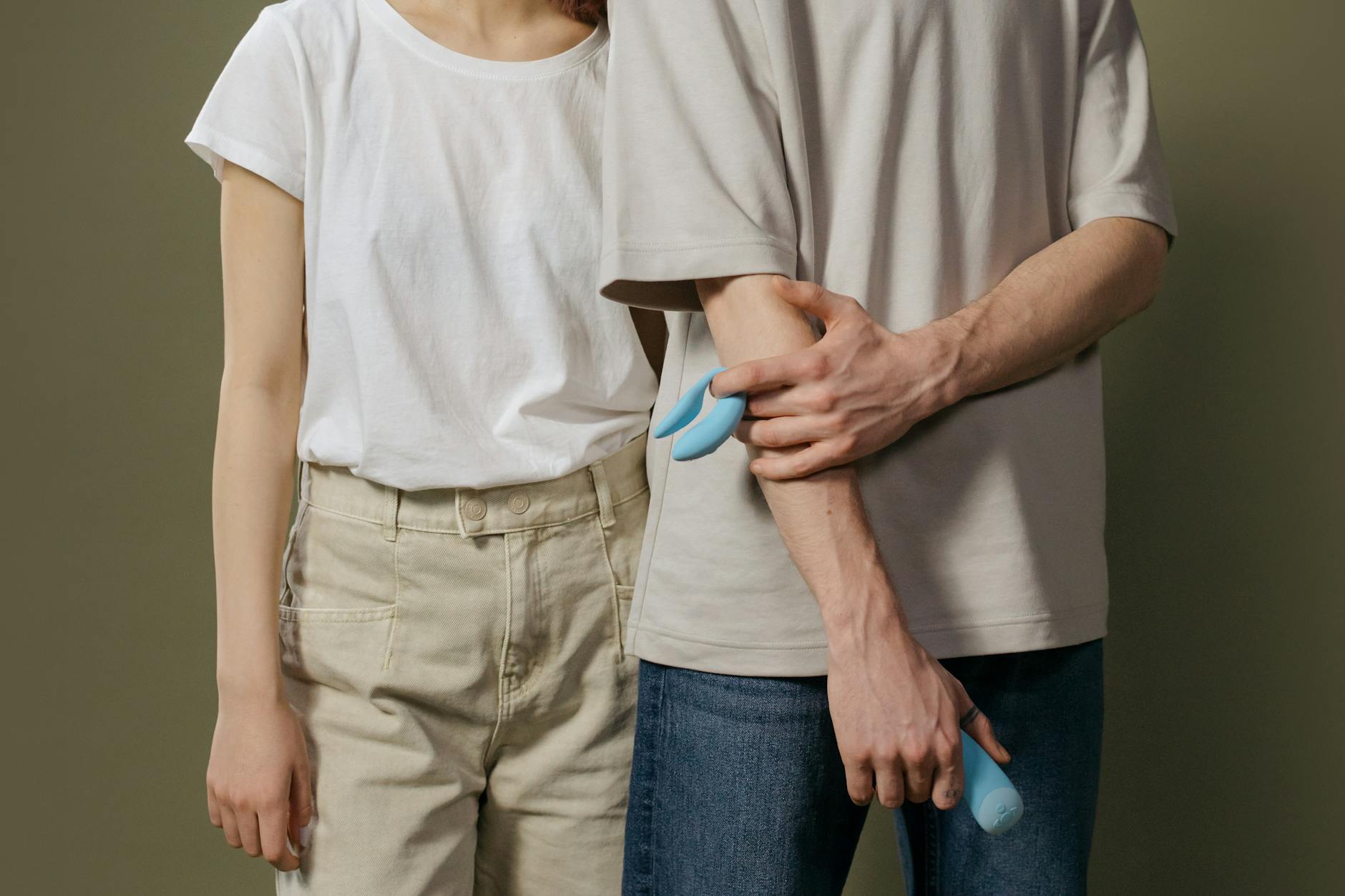
How to Use Lemon Vibrators If Sensation Feels Too Intense or Overwhelming
Let's be real: if you've just unwrapped a lemon clitoral vibrator and turned it on without any buffer, the first thing you felt was probably "whoa, okay, that's a lot." That reaction is completely normal. The entire design of a lemon sucker like the Lem is precision. It concentrates stimulation in a way traditional vibrators don't. Intensity is the whole point. But intensity without control turns pleasure into a clenching, defensive experience.
Here's what I tell clients: you're not broken if the sensation overwhelms you at first. Your nervous system is just recalibrating. With the right approach, most people shift from "this feels too intense" to "this is exactly what I needed" in a matter of weeks.
Why Lemon Vibrators Feel More Intense Than You Expect
The suction mechanism works differently than a traditional vibrator. Instead of relying on rapid up-and-down or side-to-side friction, lemon clitoral vibrators use a pulsing suction rhythm that targets the clitoral head and surrounding tissue simultaneously. This concentrates sensation in a smaller area with more precision.
Your clitoris has roughly 8,000 nerve endings. A standard vibrator spreads that stimulation across a wider surface. A lemon sucker focuses it. That's why it feels stronger, faster, or more "grabbing" even at the lowest setting. Your body isn't used to that type of input yet.
Add to that: many people have spent years conditioning their bodies to respond to a specific type of stimulation. Switching to something new means your nervous system needs time to process the signal. The intensity you're feeling isn't just physical. It's partly novelty shock.
Start With Pattern, Not Power
Here's the mistake most people make: they turn on the lowest vibration intensity and assume that's their baseline. It usually isn't.
Most lemon vibrators, including Hello Nancy's collection, have multiple stimulation patterns alongside intensity levels. Patterns vary the rhythm, pulse, or wave in ways that feel gentler or more rhythmic than steady vibration, even at the same power level.
If you're feeling overwhelmed:
Start with Pattern 1 at intensity level 1. Don't jump to the intensity dial first. Let your body learn the rhythm. A slow pulse at low power often feels less aggressive than steady vibration at the same watts. Give yourself 2-3 sessions with the same pattern before adding intensity.
This matters because your clitoris responds to rhythm as much as raw power. A predictable pulse that builds gradually feels manageable. Random or constant intensity feels chaotic.
The Warm-Up Window That Changes Everything
Intensity tolerance is not fixed. It builds with arousal.
When you're truly aroused, your clitoris swells slightly, nerve sensitivity increases, and your pelvic floor is already engaged and ready. Trying to use a lemon vibrator when you're not fully aroused yet is like cranking up a microphone before the speaker has warmed up. The same volume feels way louder.
Here's what I recommend: spend 15-20 minutes on foreplay or partnered touch before introducing the vibrator. Or spend time alone exploring what turns you on mentally. Read something, watch something, think about something that genuinely interests you. Let your body warm up naturally.
Once you're actually aroused, the same intensity setting you found overwhelming will feel purposeful, not aggressive. It's not the vibrator that changed. Your nervous system did.
Lubrication Reduces Friction Intensity
Dry tissue + suction = overstimulation. Wet tissue + suction = precision and comfort.
Lubrication matters more with lemon clitoral vibrators than with traditional ones because the suction creates a seal. Without adequate wetness, that seal pulls skin and tissue rather than gliding over it. The sensation stops feeling like stimulation and starts feeling like the vibrator is trying to eat your clitoris.
Use plenty of water-based lubricant. I mean genuinely generous. Apply it to the clitoral area, then apply a thin layer to the opening of the lemon vibrator itself. Reapply halfway through if it dries out. A well-lubricated application feels about 40% less intense than the same pattern at the same power level without lube.
This is not a sign you're doing something wrong. It's basic equipment maintenance. Lubrication isn't optional. It's a control knob.
Positioning Shifts the Angle of Sensation
Lemon vibrators deliver sensation at a specific angle. Where you position it matters as much as intensity level.
Direct contact on the clitoral head is the most intense. Most people who say "this is too strong" are making direct head-to-head contact. Try moving the vibrator slightly to the side, just off the direct center. Angle it toward the shaft of the clitoris instead. You'll get strong stimulation without the overwhelming concentrated feeling.
Or position it so it's making contact with the labia around the clitoris rather than the clitoris itself. You're still getting the benefit of the suction pattern, but the sensation is diffused slightly. It's the same vibrator. Different angle. Totally different experience.
Experiment with angles the same way you would with intensity. You might find that your perfect spot is off-center, or that you prefer contact with the side of your clitoris rather than the tip. That's information worth knowing.
The Pacing Technique: Building Intensity Instead of Starting There
Rather than turning on a pattern and holding the vibrator in place, try this: start with the vibrator on a low setting off your body entirely. Let yourself feel the vibration through the air first. Bring it closer. Make contact but keep it moving. Small circles, tiny slides back and forth.
This is pacing. You're introducing sensation gradually rather than suddenly. Your nervous system recognizes the intensity building rather than being hit with it all at once.
With this approach, many people find they can comfortably reach higher intensity levels by the end of a session because they've built up to them gradually. It's not about adding more power. It's about adding intensity over time rather than all upfront.
When Numbness Follows Intensity
Some people move from "this is overwhelming" to "I can barely feel anything" within a few sessions. That's sensitization loss, and it usually means you're using too much intensity, too frequently, or not taking recovery time.
Your clitoris has a sensitivity ceiling. Once you exceed it consistently, the nerve endings dial down their response as a protective measure. It's like if you listen to a loud noise for hours. Your ears stop registering the volume as intensely.
The fix: use lower intensity levels for longer sessions instead of high intensity for short bursts. And take breaks between sessions. If you're using a lemon vibrator daily, drop back to every other day or twice a week. Give your nervous system time to reset. You'll find sensitivity returns within 3-5 days of reduced use.
Breathing Changes Everything (And Most People Skip This)
When sensation feels overwhelming, people hold their breath. It's an automatic protective response. Holding your breath increases pelvic floor tension, which makes sensation feel sharper and more intense.
The antidote is intentional breathing. Long, slow exhales. Think 4-count in, 6-count out. Breathe into your belly, not your chest. As your pelvic floor relaxes, the same vibrator setting feels softer, more integrated, less like something being done to you.
This sounds minor. It's not. Breathing is the single most underrated tool for managing sensation intensity. Try it once with full attention and you'll understand why I mention it in almost every session.
When to Introduce Your Partner to Your Lemon Vibrator
If you're in a partnership, using a lemon vibrator solo first gives you time to figure out your comfort zone without pressure. Once you've found your baseline intensity and patterns, introducing your partner becomes a conversation rather than a discovery.
You can say "I need it at setting 2, pattern 3, with this angle" instead of both of you fumbling in real time. That clarity actually increases confidence for both people. Your partner knows they're not hurting you. You know what you want. That's the opposite of intense or overwhelming. That's intimate.
If your partner wants to be involved in the learning phase, that's fine too. Just make sure you're directing. "That intensity is too much for me right now, can we drop to pattern 1?" is a completely normal request, and a good partner will respect it immediately.
When Overwhelming Becomes a Bigger Issue
For some people, the overwhelm isn't about the vibrator itself. It's about anxiety, trauma, or a nervous system that's genuinely dysregulated. If you find that even the gentlest settings feel activating or distressing, that's worth exploring with a therapist or counselor who specializes in sexual health.
There's no shame in that. Some nervous systems need additional support to process new sensations safely. A professional can help you build that capacity in a way that honors where you're starting from.
The goal isn't to force yourself to like something that genuinely doesn't work for your body. The goal is to understand whether the intensity is the problem or whether something else is. A lemon clitoral vibrator is supposed to enhance pleasure, not create stress.
FAQ: Overwhelmed by Lemon Vibrator Intensity
Can I damage my clitoris by using a lemon vibrator on too-high intensity?
No. Your clitoris is tougher than it feels. High-intensity stimulation causes temporary numbness or sensitivity loss in rare cases, but not permanent damage. That said, numbness is your body's way of saying "ease back." If you notice you can't feel much after a session, lower your intensity and frequency for a few days. Sensitivity returns.
Is the "too intense" feeling the same as desensitization?
No. Overwhelm is about the immediate sensation being more than you want. Desensitization is about your nerve endings becoming less responsive after repeated high-intensity use. You can feel overwhelmed once and then adapt. Desensitization builds over time if you consistently use high intensity without recovery breaks. They're different problems with different solutions.
How long does it usually take to get comfortable with a lemon vibrator?
Most people shift from "this is too much" to "this is great" in 3-6 sessions if they're using the approach I've outlined here. Starting low, warming up properly, using lubrication, and adjusting angle makes a massive difference. If you're still uncomfortable after 6-8 sessions of genuine effort, the vibrator might just not be your tool. That's okay too.
Should I use my lemon vibrator while taking antidepressants if sensation feels intense?
Antidepressants don't change the physical intensity of a vibrator. They do sometimes reduce sensation or arousal overall. If you're on SSRIs and finding that lemon vibrators feel overwhelming while other stimulation feels fine, that might be worth discussing with your prescriber. Some medications affect sexual response differently. Adjusting timing, type, or dose sometimes helps. But intensity itself isn't a contraindication.
Can I use a lemon vibrator if I have vulvodynia or pelvic pain?
Carefully, and ideally with guidance. Vulvodynia can make even gentle touch feel sharp. A lemon vibrator's precision focus could irritate things further, or it could feel grounding and helpful depending on your pain pattern. This is worth exploring with a pelvic floor physical therapist or sexual health specialist before diving in solo. They can guide you on whether a lemon sucker is a good fit for your specific pain.
What if the overwhelm is mental, not physical?
Some people feel overwhelmed because they're in their own head. Anxiety about "doing it right," worry about being loud, concern about taking too long. That's not a vibrator problem. It's a nervous system problem. Grounding work, breathing, solo exploration without any goal or timeline helps. So does working with a therapist if the anxiety is significant. The vibrator will feel way less intense once your mind is actually in the room.
Keep the Conversation Going
Intensity tolerance is genuinely individual. What feels perfect for your best friend might feel overwhelming for you, and that's completely valid. The lemon vibrators and clitoral toys Hello Nancy makes are designed with multiple intensity levels and patterns exactly because bodies are different.
Your job is to listen to what your body is actually telling you, use the strategies above to build comfort gradually, and keep tweaking until you find your sweet spot. That might be pattern 3 at level 2. That might be pattern 1 at level 1. Both are right if they feel right for you.
If you're stuck, or you want to talk through what might work best for your specific situation, reach out. That's what we're here for.