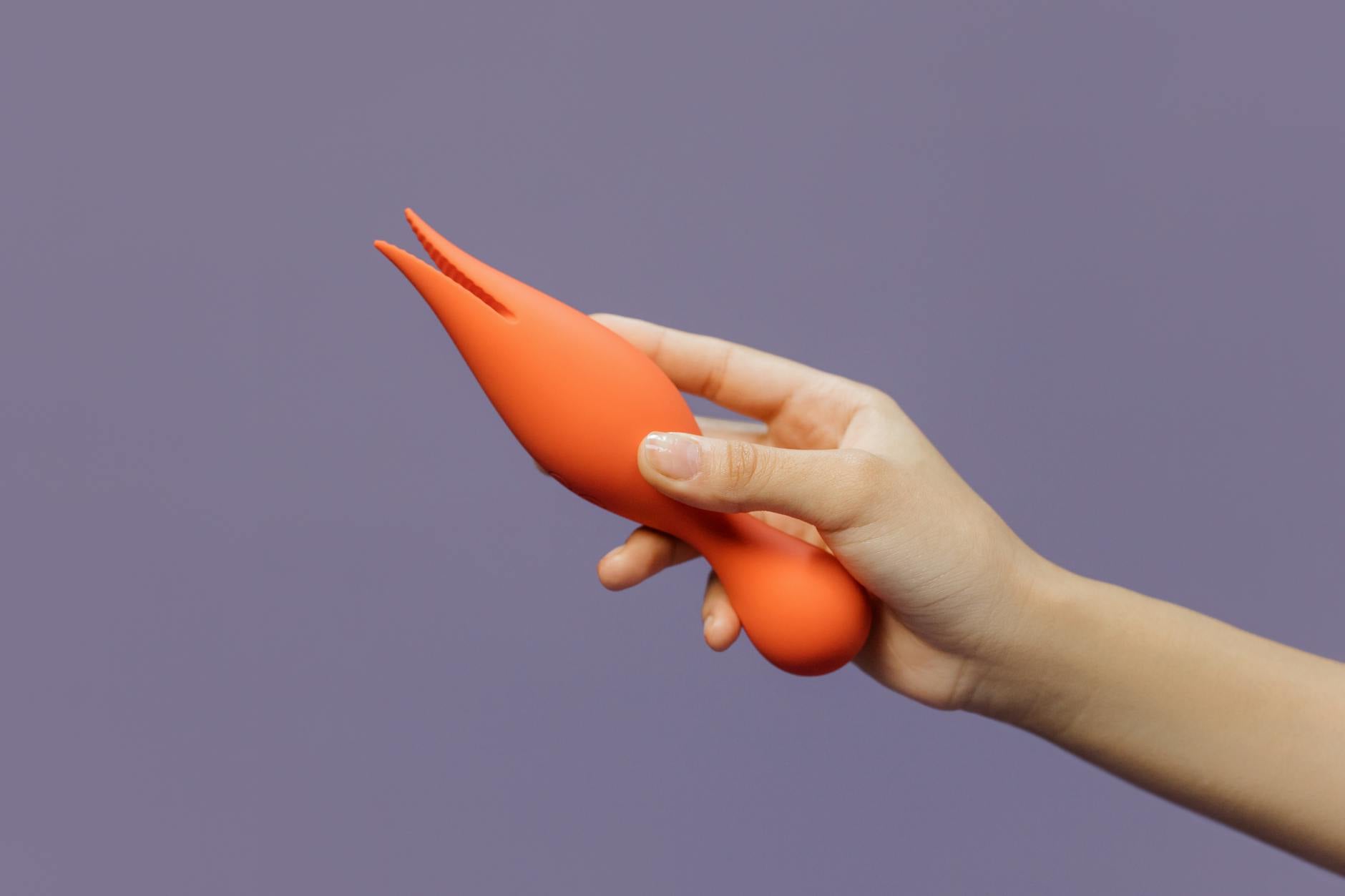
Let's talk about what actually happens when sensitive skin meets a vibrator
Sensitive skin or allergies don't disqualify you from using lemon vibrators. But they do mean you need to approach things methodically instead of diving in. The good news: lemon clitoral vibrators are actually engineered with material choices that make them gentler on reactive skin than many traditional toys.
Here's what I've seen work for dozens of clients with dermatitis, eczema, or contact sensitivities: the difference between a frustrating experience and a genuinely safe one usually comes down to three things: material literacy, lubrication strategy, and a proper patch test.
Why lemon vibrators are actually a good fit for sensitive skin
Most lemon clitoral vibrators, including the Lem, are made from medical-grade silicone. That's the first advantage. Unlike porous plastics or rubber compounds, medical-grade silicone doesn't absorb bacteria, doesn't leach chemicals over time, and doesn't harbor the microparticles that trigger reactions in reactive skin.
But here's the thing: not all silicone is created equal. Some manufacturers use silicone blends that cut costs but include softeners, fillers, or synthetic compounds. That's where the allergy risk lives. The key is verifying your toy's material spec before it touches your skin.
The suction design of a lemon vibrator also matters for sensitive skin. Because the stimulation is gentler and more diffuse than the focused oscillation of a traditional vibrator, there's less mechanical friction, less pressure against delicate tissue, and less likelihood of irritation from overuse.
Material: the foundation of safe play with sensitive skin
Before you buy or use any lemon vibrator, ask or verify three things:
1. Is it 100% medical-grade silicone? Look for the spec sheet. If a retailer can't tell you the material composition, walk away. Medical-grade means it meets biocompatibility standards and has been tested for skin irritation.
2. What's the cure process? Platinum-cure silicone is better than tin-cure for sensitive skin. Platinum curing produces fewer leachable compounds. This information isn't always advertised, but reputable Hello Nancy products use platinum-cure silicone throughout.
3. Are there any coatings or additives? Some toys have texture coatings or glossy finishes that sound appealing but can harbor allergens. Smooth, unpainted silicone is your safest bet if you have known skin sensitivities.
The lubrication strategy for reactive skin
This is where most people with sensitive skin make their first mistake. They avoid lubricant thinking it'll reduce the risk of reaction. It's actually the opposite.
A quality water-based lubricant does three things for sensitive skin: it reduces friction (which prevents micro-tears), it acts as a barrier between your skin and the toy material, and it dilutes any trace compounds that might trigger a reaction.
Choose your lube carefully:
- Hypoallergenic water-based lubes (fragrance-free, dye-free, preservative-minimal) are non-negotiable. Brands like Yes, Pjur, or Sliquid Naturals offer formulations specifically tested for sensitive skin.
- Avoid glycerin-based lubes if you're prone to yeast infections or have vulvodynia. They feed yeast and can intensify pain responses.
- Never use silicone lube with silicone toys. Silicone dissolves silicone over time, leaching compounds into the toy that can later trigger reactions.
- Coconut oil is not lube. It's antimicrobial but can break down silicone, damage latex, and introduce unnecessary bacteria into the vaginal environment.
Apply lube generously. A thin coat isn't enough. Wet skin + well-lubricated toy = dramatically lower risk of irritation.
The patch test: how to screen before full contact
Even with medical-grade silicone and good lube, your skin might have an idiosyncratic reaction. That's why a patch test is essential, not optional.
Here's the protocol I recommend:
Day 1: The forearm test. Clean the toy thoroughly with warm water and fragrance-free soap. Dry it completely. Place the lubricated toy against your inner forearm (less reactive than genital skin but still sensitive) for 10-15 minutes. Leave it there. If you see redness, itching, or burning within an hour, stop. You may have an allergy to this specific material or a compound in it.
Day 2: Outer vulva test (if forearm passed). Apply lube to the outside of your vulva. Use the vibrator on the lowest setting for just 2-3 minutes. Wear loose, breathable underwear afterward. Check for redness or itching over the next 12 hours. If clear, you're probably good to proceed.
Day 3: Short session (if outer vulva passed). 5-minute session, lowest setting, well-lubricated. This is a full dress rehearsal. Again, monitor for any delayed reaction over the next 12 hours.
If all three pass with zero irritation, inflammation, or itching, you're likely safe to use the toy normally. Many people do all three tests in a single day with 3-4 hours between each. Listen to your body's timeline.
What to do if irritation shows up mid-session
Stop immediately. Wash the area gently with cool water and fragrance-free soap. Don't apply anything else (no lotion, oil, or additional lube) for at least an hour. Apply a fragrance-free moisturizer if your skin feels dry, but keep it minimal.
If redness or itching persists beyond a few hours, or if it escalates, you may have contact dermatitis. This usually resolves within 24-48 hours on its own, but if it worsens or spreads, see a dermatologist before using the toy again.
Common allergens in and around vibrators (and how to avoid them)
Material reactions aren't the only culprit. Here's what else can trigger sensitive-skin users:
Cleaning products. If you're using fragranced soap or disinfectants on your toy, you're setting yourself up for trouble. Wash with warm water and fragrance-free, unscented soap only. Rinse thoroughly. Pat dry with a clean cloth.
Toy storage. If your toy is stored in a drawer with scented sheets, fabric softener, or other products, it can absorb those compounds. Store in a breathable fabric bag (unscented) or in a separate drawer away from perfumed items.
Lube residue. If you're not rinsing your vulva after play, lube can dry and concentrate on your skin, creating irritation over time. A quick rinse with cool water post-play is enough.
Partner's bodily fluids or products. If you're using the toy during partnered sex, their sweat, saliva, or personal care products (deodorant, cologne, body lotion) can interact with your sensitive skin. A gentle rinse between partners or before solo use helps.
When to talk to a dermatologist
If you develop a reaction that doesn't resolve within 48 hours, spreads beyond the contact area, or shows signs of infection (warmth, discharge, fever), get professional advice. A dermatologist can patch-test you against specific toy materials and lubes, which is incredibly useful for figuring out your specific triggers.
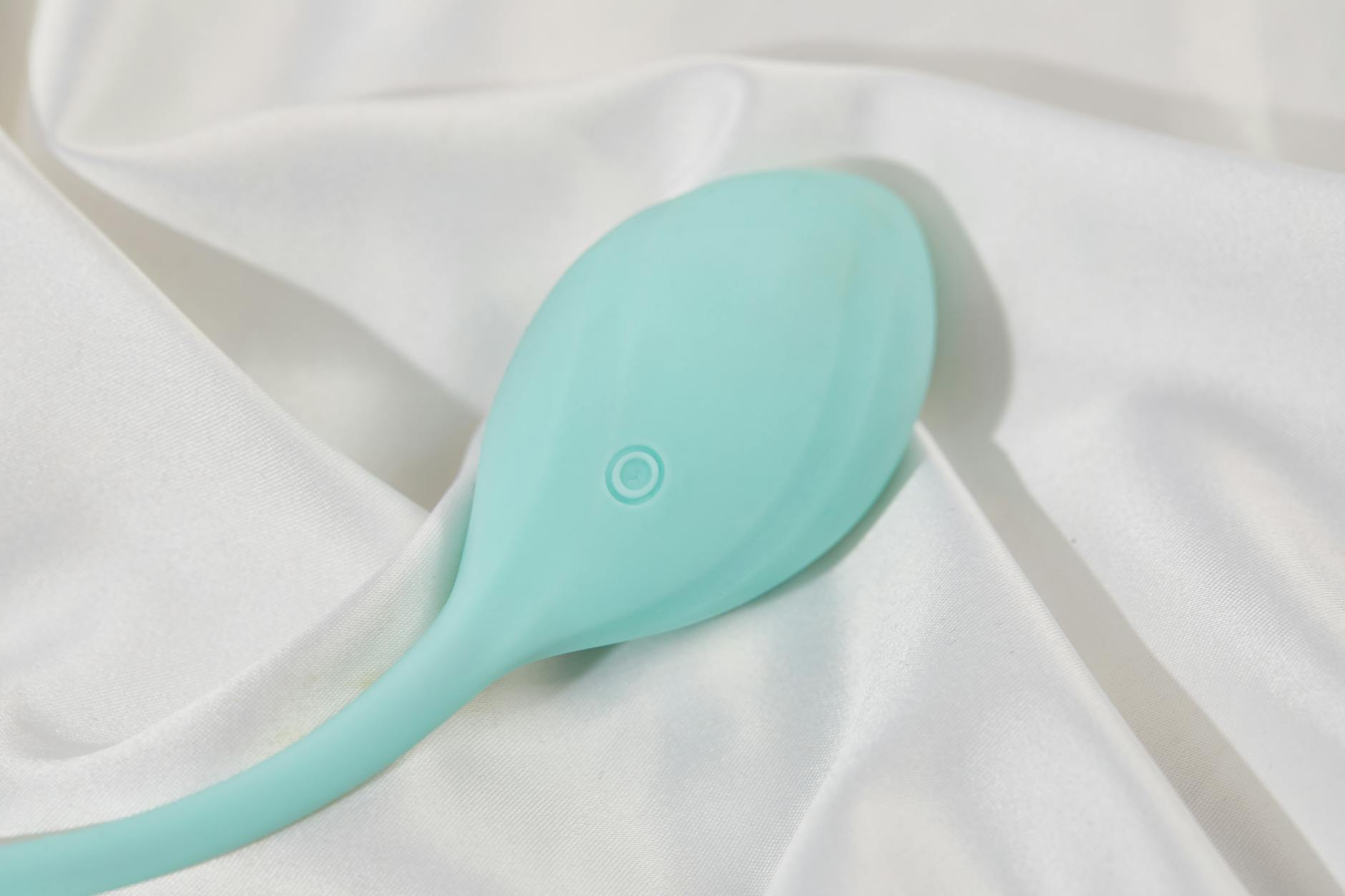
Photo by IFONNX Toys on Pexels
Also mention the toy or lube to your doctor if you're considering it. Sensitive skin sometimes correlates with other conditions (lichen sclerosus, vulvodynia, allergic contact dermatitis) that change how you should approach toy use.
Building a routine that works long-term
Once you've cleared the toy and found a lube that works, consistency matters. Use the same lube brand every time, at least initially. Change too many variables and you won't know what's protecting you.
Clean your toy after every use. Store it properly. And if you notice any change in how your skin responds, pause and troubleshoot before jumping back in.
Sensitive skin is manageable. It just requires more intentionality. The upside: once you've done this work, you know exactly what your body needs, and play becomes genuinely comfortable instead of something you're white-knuckling through.
Frequently asked questions
Can I use my lemon vibrator if I have eczema or dermatitis?
Yes, but with extra care. Medical-grade silicone toys like lemon clitoral vibrators are among the safest options for reactive skin. The key is the patch test. Start with your forearm, move to the outer vulva, then a short session before full use. If you're in an active flare-up of eczema or dermatitis, wait until it calms down. Playing during inflammation increases the risk of complications.
What's the difference between water-based and silicone lube for sensitive skin?
Water-based lube is gentler for most people with sensitive skin because it's easier to customize and wash away. However, it can feel sticky or dry quickly. Silicone lube feels smoother and lasts longer but cannot be used with silicone toys (it dissolves them). For lemon vibrators, water-based is your better choice. Hypoallergenic formulas are worth the extra cost if you have true sensitivities.
Is the Lem vibrator safe for people with latex allergies?
The Lem is 100% silicone with no latex. So unless you have a silicone allergy (rare), you're safe on the latex front. However, always verify with Hello Nancy directly if you have a known silicone sensitivity, as medical-grade silicone reactions are unusual but do happen.
Can stress or hormones make my skin more reactive to my lemon vibrator?
Absolutely. Stress and hormonal shifts lower your skin barrier function and can temporarily increase sensitivity. If your toy has always worked fine but suddenly causes irritation, check your stress levels, your menstrual cycle, and whether you're using any new skincare products. Your skin's tolerance fluctuates.
What should I do if I'm allergic to all lubes I've tried?
Try warm water as your first alternative. It's not ideal (it washes away quickly), but it's inert and won't trigger most allergies. Some lube-free silicone toys work with just natural vaginal lubrication, though suction toys like lemon vibrators generally work better with added lube. If you react to every lube, talk to your dermatologist. You might have a preservative allergy, fragrance sensitivity, or another compound trigger that your doctor can isolate.
Can I use my lemon vibrator if I have vulvodynia or pelvic pain?
Maybe, and it depends on your specific type of pain. If you have provoked vestibulodynia (localized pain at entry), some people find the gentle suction of a lemon clitoral vibrator easier to tolerate than traditional vibrators. But start very slowly with the lowest setting and lots of lube. Better yet, mention it to your pelvic health physical therapist or your doctor before starting. They can give you personalized guidance based on your condition.
The bottom line
Sensitive skin is not a barrier to pleasure. It's an invitation to be more thoughtful. Material matters, lubrication matters, and testing before full play matters. Once you've done that work, lemon vibrators can be genuinely safe and satisfying. Your skin deserves care. So does your pleasure.