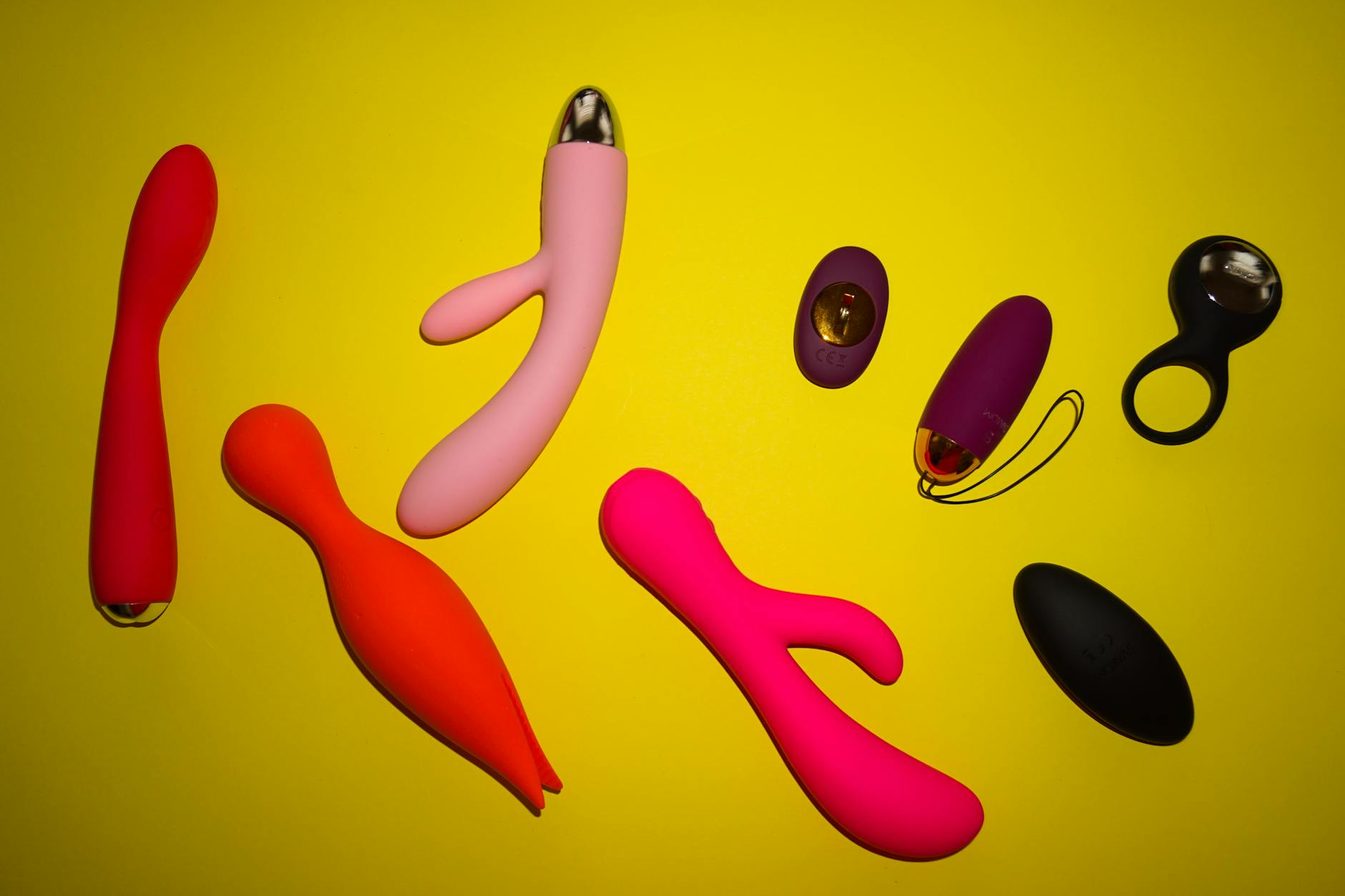
Here's what nobody tells you about hormonal desire loss
Your hormones tank. Your libido follows. You assume this is permanent, so you stop trying. That's where most people get stuck, and honestly, it's where the real loss happens.
Hormonal shifts kill desire through a very specific chain reaction. Estrogen and testosterone both drop. Your brain stops flooding your system with dopamine during arousal. Your neural pathways for "I want sex" go quiet. Most traditional vibrators require you to be already somewhat aroused to feel much of anything. If the signal never fires, the vibrator becomes just another object in a drawer.
Lemon clitoral vibrators work because they don't wait for arousal to build. They create the sensation so efficiently that they often ignite desire instead of requiring it first.
Why hormonal shifts specifically kill desire
This isn't about sex drive being "in your head." It's neurochemistry. Testosterone, which people with ovaries produce in smaller amounts than people with testes but absolutely depend on, is a major player in spontaneous desire. When hormones shift due to birth control, thyroid issues, perimenopause, or medication, testosterone often drops first. And spontaneous desire goes with it.
Estrogen does something else. It regulates blood flow to genital tissue and supports the vaginal environment. Lower estrogen means less natural lubrication and less robust arousal response. Your body becomes slower to respond to stimulation. A traditional vibrator that relies on you already being interested doesn't stand a chance. You need a tool that works backwards. That's where lemon vibrators come in.
The suction mechanism in lemon sexual toys like those designed by The Lemon Vibes bypasses the need for pre-existing arousal. It creates immediate, concentrated sensation that feels good on its own. Your brain registers pleasure, pleasure lights up dopamine, and suddenly desire is no longer the prerequisite. It becomes the result.
The neuroscience of lemon vibrators and desire rebuilding
Traditional vibrators rely on vibration frequency. The faster it buzzes, the more sensation you feel. But sensation requires an already-sensitive nervous system. When hormones are low, that sensitivity is blunted. You need stronger input to feel anything at all.
Lemon clitoral vibrators use air-suction stimulation instead. This creates a gentler but deeper sensation that feels less dependent on tissue sensitivity. Think of it like the difference between tapping someone on the shoulder (vibration) versus putting your hand on their shoulder and gently pulling (suction). The second one creates different neurological feedback. Your nervous system recognizes it as novel, compelling, worth paying attention to.
When your brain gets that signal, it starts rebuilding the desire pathway. You have one orgasm. Your brain notes it. You try again the next day and it feels better, easier, faster. After a week or two of consistent use, spontaneous desire often begins to creep back in. Not because your hormones magically fixed themselves, but because you've retrained your nervous system to recognize pleasure as accessible again.
How to actually use lemon vibrators when desire is bottomed out
Don't start with "I'm going to rebuild my libido." That's pressure, and pressure kills desire faster than anything else. Start with "I'm going to explore what feels good right now."
Set aside 15 minutes. No goal. No orgasm target. Just sensation. Start at the lowest intensity setting on your lemon vibrator. Most people expect they need maximum power when desire is low. Wrong. When sensitivity is blunted, maximum power actually feels overwhelming and unpleasant. Low intensity feels safer, more exploratory, less demanding.
Let it work. The suction mechanism in lemon vibrators is designed to build sensation over time. You don't feel much in the first 30 seconds. That's normal. By 90 seconds, your body recognizes it. By three minutes, pleasure registers. That's the sweet spot where desire usually starts creeping back.
Repeat this 4-5 times a week if possible. Consistency matters more than intensity. Your nervous system needs time to rewire. Think of it like physical therapy for your libido. You wouldn't go to physical therapy once and expect full recovery. Same principle applies here.
The partner complication you actually need to address
When you're rebuilding desire through hormonal shifts, your partner often has feelings about it. They might feel rejected. They might push for sex anyway. They might worry you don't find them attractive anymore. None of those feelings are invalid, and none of them should become your problem to solve while you're already struggling.
But here's what actually helps: separate the conversations. "My body is responding differently to hormones" is not the same conversation as "I want us to stay connected." Confusion between those two kills both. Have the first conversation with yourself and your lemon vibrator. Figure out what feels good in your body. Then have the second conversation with your partner about ways to stay intimate that don't depend on spontaneous desire showing up.
Some couples find that exploring lemon clitoral vibrators together actually rebuilds partnership pleasure faster than trying to force traditional sex. The tool takes pressure off performance. You're both exploring sensation rather than each person managing their own expectation.
When to suspect something bigger is going on
If you've been using a lemon vibrator consistently for three weeks and feel absolutely nothing, including no physical sensation, that's worth investigating with a doctor. Low desire from hormonal shifts is treatable, but sometimes other things are hiding underneath.
Medication side effects deserve attention. Some antidepressants, blood pressure meds, and hormonal birth control can flatten desire below what hormones alone would do. It's worth asking your prescriber if alternatives exist.
Thyroid dysfunction is sneaky. It causes low desire, fatigue, and low libido all at once. If you also feel cold, tired, or foggy, get your thyroid checked before assuming the problem is purely hormonal.
Depression and anxiety often ride alongside low desire. They're not separate problems. A lemon vibrator helps, but therapy or medication might help more. The goal isn't to bypass the bigger issue. It's to rebuild pleasure while you're also addressing what's actually driving the shutdown.
The timeline you should actually expect
Week one. Sensation feels weird or muted. You're not sure this is working. Keep going.
Week two. You notice pleasure starting to register. Not orgasm yet, maybe. Just "oh, that feels good" instead of "I feel nothing." This is the turning point.
Week three to four. Orgasm becomes possible again, though it might feel different than before. Often more focused, sometimes less intense, but more reliably accessible. Your desire starts waking up because you remember what pleasure feels like.
Month two and beyond. Spontaneous desire can begin to return as your brain reestablishes the neural pathway. You might start thinking about sex on your own instead of only when actively using a lemon vibrator. This is huge.
Some people hit this timeline faster. Some take longer. Hormonal profiles vary wildly. Be patient with yourself. This isn't failure. It's recalibration.
FAQ: Your most-asked questions about lemon vibrators and low desire
Why does suction feel so different from vibration when my desire is low?
Vibration requires pre-existing tissue sensitivity. When hormones drop, that sensitivity tanks. Suction creates a different kind of nerve stimulation that doesn't depend as much on baseline sensitivity. It's less reliant on your body being "ready" and more about direct, novel sensation. Your nervous system responds to novel input even when it's ignoring familiar patterns.
Can I use a lemon vibrator if I'm on hormonal birth control?
Absolutely. Birth control that tanks desire is exactly the situation where lemon clitoral vibrators shine. In fact, if you're on a birth control that's destroying your libido, using a lemon vibrator can help you figure out whether you want to stick with that method. Some people on the pill have zero baseline desire but find they can access pleasure through suction vibrators. That tells you something important about what's actually sustainable for you.
How long does it take for spontaneous desire to come back?
It depends on what caused the hormonal shift and whether you're treating the underlying issue. If you're in perimenopause or post-menopause, spontaneous desire might stay lower than it was in your 20s, and that's normal. But responsive desire, where you feel desire once something pleasurable is happening, usually returns within 4-8 weeks of consistent use. That's often enough for most people.
My partner feels bad when I use a lemon vibrator without them. What do I do?
This is about them, not you. You're rebuilding access to your own pleasure. That's not rejection. But if partnership matters to you, invite them in once you've figured out what feels good. Show them how it works. Let them operate it. Make it collaborative instead of separatist. Often partners feel excluded, not replaced. Inclusion fixes that faster than guilt ever will.
Do lemon vibrators work better than traditional vibrators specifically for hormonal desire loss?
Yes and no. Lemon vibrators don't require pre-existing arousal, which is their superpower when desire is low. But some people respond better to intense vibration even with low desire. The thing is, you don't know which person you are until you try. If traditional vibrators haven't helped, a lemon clitoral vibrator is absolutely worth exploring.
Can I rebuild desire without using a vibrator at all?
Yes, but it takes longer and requires more active mental work. You'd need to deliberately create arousal through fantasy, partner interaction, or extended foreplay. When your nervous system is already struggling to recognize pleasure, that's exhausting. A lemon vibrator does the heavy lifting for you. It's not lazy. It's strategic.
The actual goal here
Low desire from hormonal shifts isn't a character flaw or something you have to just tolerate. It's a problem with a solution. Lemon vibrators specifically work well for this situation because they bypass the broken link in the chain. You don't need desire to show up first. Pleasure shows up first. Desire rebuilds from there.
Your pleasure matters. Rebuilding it matters. And if a lemon clitoral vibrator gets you there faster, that's exactly what it's designed for. Start low, be patient, and give your nervous system time to remember what good feels like. It usually does.