
The disconnect that feels permanent
Let's be real. When your testosterone drops, your desire evaporates. You stop thinking about sex the way you used to, and when you try, nothing happens. Your body feels like it belongs to someone else. You might assume that means pleasure is offline too, that lemon vibrators or any toy won't help because the whole system is broken.
It isn't. Here's what's actually happening physiologically, and why a lemon clitoral vibrator still works when hormones are in the basement.
What low testosterone actually does
Testosterone isn't just a male hormone. Everyone with a vulva produces it, and it's one of the primary drivers of spontaneous desire, sexual confidence, and the ability to feel turned on by thought alone. When it tanks (from stress, perimenopause, medications like SSRIs, or medical conditions like PCOS), the mental arousal switch stops flipping. You don't get random thoughts about sex. You don't feel magnetized toward your partner. Your brain isn't sending the "let's go" signal.
But here's the part nobody explains clearly: testosterone doesn't control your capacity for physical pleasure once you're already engaged. It controls the spark, not the fire.
Your clitoris still has the same nerve density. The pathways that create orgasm are still intact. Blood flow to the genitals still works. What's different is that without testosterone signaling to your brain, you're not naturally walking toward that sensation. You have to create the conditions for it instead.
Why suction stimulation bypasses the testosterone problem
A lemon vibrator works differently than a traditional vibrator, and that difference matters here specifically.
Traditional vibrators rely on you being partially aroused already. They work best when there's some baseline interest, some initial blood flow, some mental engagement. If you're low-testosterone and dealing with a completely flat libido, they can feel like nothing.
Suction, the core mechanism in Hello Nancy's Lemon clitoral vibrators, works on the principle of creating rapid pressure changes over the clitoris. It doesn't require pre-existing arousal. It creates arousal through direct, non-vibratory stimulation. This is why so many people with hormonal imbalances, antidepressants, or medication-induced desire loss report that suction feels like the only thing that works.
You're not waiting for your body to wake up. The suction is waking it up for you.
The three-part protocol for low-testosterone users
If you're dealing with hormonal imbalance, these steps matter.
Start at intensity 1 or 2. Do not jump to pattern 5. With low testosterone, your body is hypersensitive to stimulation once you engage with it, which sounds great but can feel overwhelming if you're not expecting it. Ramp slowly. Give your nervous system time to recognize pleasure as safe.
Budget time differently. With normal testosterone, arousal might take 5 to 10 minutes. Low testosterone means you're starting from zero, and the suction mechanism needs 15 to 25 minutes to fully engage your body's response. This isn't failure. This is just the new timeline.
Separate mental state from physical response. This is the most important one. Low testosterone means your brain might not want sex, but your body might respond once you engage. This creates a weird split: you feel pleasure physically but not psychologically. That's not broken. It's temporary. As hormones stabilize (through treatment, lifestyle changes, or time), the mental and physical usually reunite. For now, let your body lead.
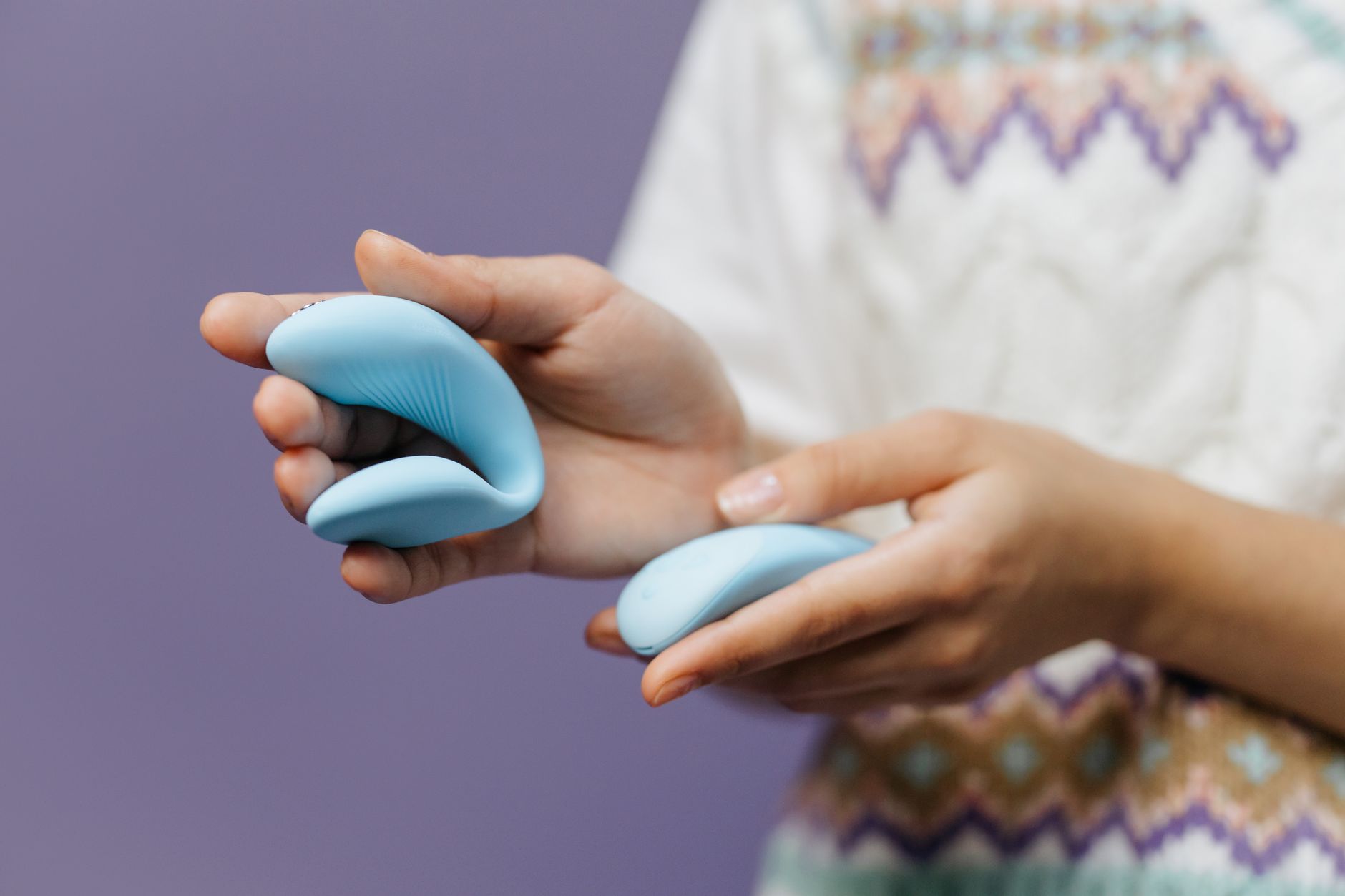
Photo by cottonbro studio on Pexels
When to get hormones checked (and what to ask for)
If desire completely flatlined in the last 6 to 12 months and you haven't had bloodwork in a while, get it done. Low testosterone is diagnosable and often treatable. It's not a character flaw or a sign your body is broken.
When you see your doctor, ask specifically for:
- Total testosterone (not just free testosterone)
- DHEA-S
- Thyroid panel (TSH, Free T3, Free T4)
- Prolactin
If testosterone is genuinely low (below 30 ng/dL for people with vulvas), options exist. Testosterone cream is increasingly available and effective. The results aren't instant, but many people notice a shift in mental arousal within 4 to 8 weeks.
Hormonal birth control can also tank desire, and sometimes switching formulas or methods makes a difference. So can addressing sleep, because poor sleep destroys testosterone production across the board.
The emotional part (which is actually the bigger part)
Here's what I see in my practice. When desire crashes, people often blame themselves. "I'm broken." "My partner isn't attractive enough." "I'm getting old." All of those feel true because the experience is so visceral and confusing.
But hormonal imbalance is a medical fact, not a reflection of your capacity for pleasure or your attraction to your partner. A lemon clitoral vibrator can bridge that gap while you're waiting for hormones to stabilize or while you're experimenting with treatment options. It's a tool, not a solution. But it's a tool that actually works.
Many people I work with report that using suction regularly while hormones are low actually helps reset their desire baseline. The physical pleasure reminds the body what that feels like, which can help the brain catch up. It's not magic. It's neuroplasticity.
What changes as hormones stabilize
If you're treating low testosterone through cream, lifestyle changes, or medication adjustments, pleasure doesn't flip back on overnight. It returns gradually. What often happens is that the mental spark returns before physical sensation does. You start thinking about sex again. Your energy lifts. Then, weeks or months later, your body feels more responsive.
During that middle phase, a lemon vibrator becomes even more useful because now you have both the mental interest and the physical tool. That combination is powerful.
When you do regain baseline hormone levels, your relationship with your toy might shift. Some people find they need it less. Others find they love it even more because now they're using it from a place of genuine desire rather than from a place of disconnection. Both are fine.
FAQ
Can you use a lemon clitoral vibrator if you're on SSRIs that kill your libido?
Yes, and suction often works better than traditional vibrators for people on SSRIs because it doesn't require the mental arousal component that antidepressants typically suppress. You might feel nothing mentally but very strong physical sensation. That disconnect is normal and temporary. Talk to your prescribing doctor about timing or dosage if desire loss is severe, but don't assume you have to choose between your mental health medication and your sexuality. A lemon suction vibrator can absolutely help bridge that gap.
Will using a lemon vibrator increase my testosterone?
No, but it will help you access pleasure while your body is hormonally imbalanced, which matters. Increased sexual pleasure can modestly improve overall wellness and reduce stress, which indirectly supports healthier hormone production over time. The real fix for low testosterone is bloodwork, treatment if appropriate, and lifestyle changes. The vibrator is a tool for pleasure in the meantime.
What if suction feels like nothing even on the highest setting?
That's usually one of three things. First, you might not be at the right position or angle. The suction works best when the device is centered directly on the clitoral glans. Second, you might need more time. Hormonal suppression can mean it takes 25 to 35 minutes for sensation to fully build. Third, your testosterone might be low enough that you need medical treatment to feel much of anything. None of those mean the tool is broken. Talk to your doctor about your hormone levels.
Can low testosterone from PCOS be fixed with a lemon vibrator?
No, but it can be managed. PCOS-related testosterone is usually high, not low, which is a different problem entirely. That said, many people with PCOS struggle with sensation, arousal consistency, and the mental shame that comes with managing a reproductive condition. A lemon suction vibrator can help with pleasure and sensation exploration during treatment. Focus on getting PCOS managed through your doctor first, then use pleasure tools as part of your larger self-care.
Does suction work if you're on hormone replacement therapy?
It works even better. HRT stabilizes hormones, which means your baseline desire and sensation both improve. You'll probably find that a lemon vibrator becomes more responsive as your HRT settles in. The first few months of HRT can feel unpredictable. Be patient with yourself and with the tool. As your hormones stabilize, your pleasure usually does too.
What if I have hormonal imbalance and pelvic pain at the same time?
That's a more complex situation and worth reading about separately. Check out our guide on how to use lemon vibrators when you have vaginismus or pelvic pain, which addresses the overlap between hormonal conditions and physical pain.
The bottom line
Low testosterone kills desire, not capacity. Your body can still feel pleasure even when your brain stopped sending the initial signals. A lemon clitoral vibrator, with its suction-based approach, works because it creates sensation directly rather than relying on pre-existing arousal. That's not a hack. It's physics.
If hormonal imbalance is the issue, get bloodwork. Consider treatment options. But while you're waiting for hormones to stabilize, you don't have to feel numb. You have tools. Use them. Your pleasure matters, even when your body feels temporarily checked out.
Ready to explore what works for your body right now? Start here, and if questions come up, reach out so we can point you in the right direction.